Robotic Welding Systems In London for Reliable, Scalable Manufacturing
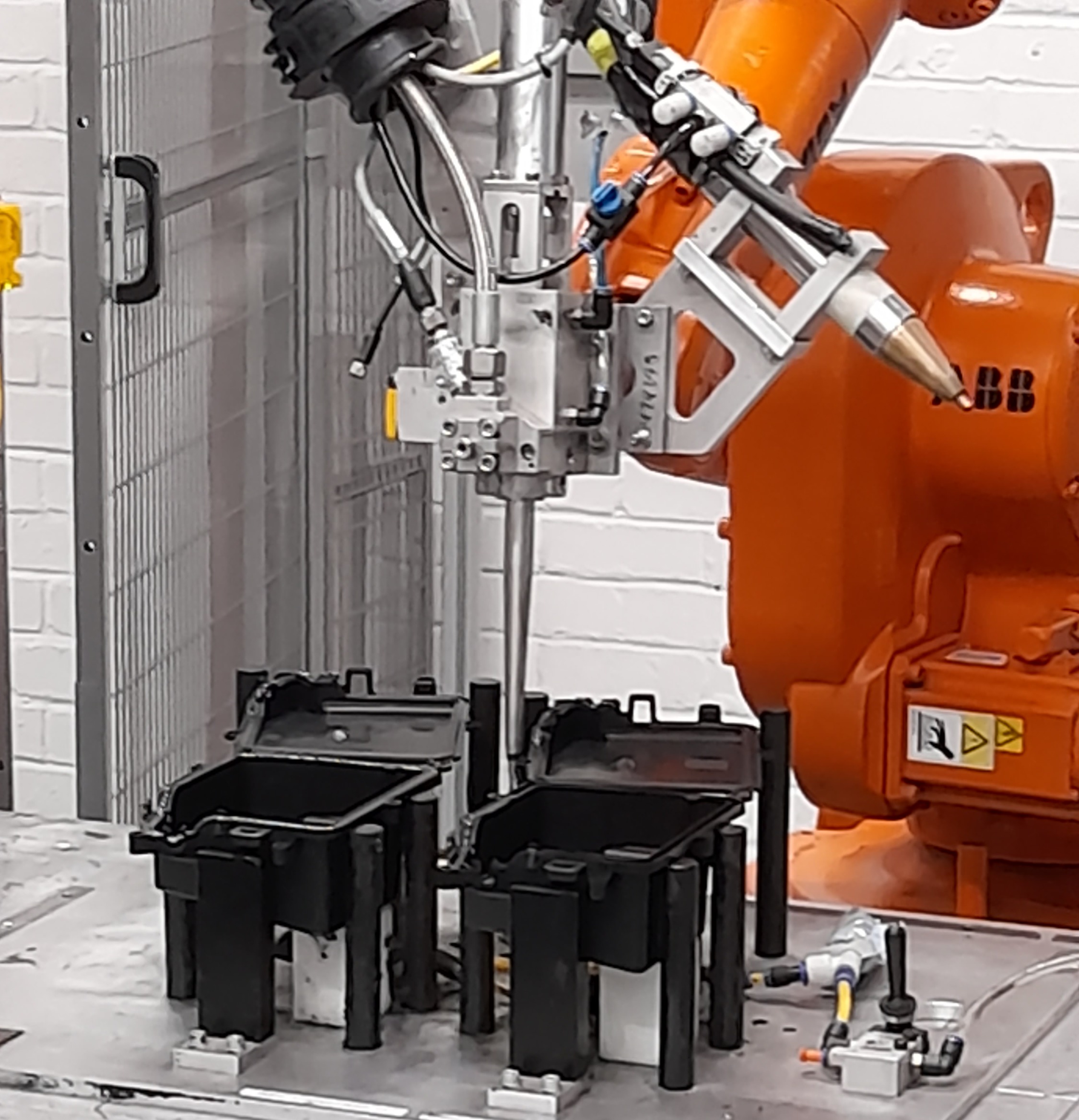
Manufacturers looking for better consistency, safer production and stronger throughput are increasingly investing in Robotic Welding Systems In London to improve day-to-day operations. Whether you produce repeat components, fabricated assemblies or high-volume parts, the right automation setup can reduce variation, cut downtime and give your team a more dependable process. Premier Automation supports businesses across London with practical robot integration, control systems and ongoing engineering support tailored to real production needs.
Why businesses choose Robotic Welding Systems In London
Welding quality affects everything that follows in a production line. If welds are inconsistent, it can create delays in inspection, rework and delivery. Robotic welding helps solve that by bringing repeatability to the process. Once a system is correctly designed and programmed, it can maintain the same path, speed and finish across large batches.
That consistency is a major reason many manufacturers choose automation. Another is safety. Welding environments can involve heat, fumes and repetitive handling, so moving suitable tasks into a robotic cell can improve working conditions for staff. It also allows skilled welders to focus on setup, inspection and higher-value fabrication work rather than repeating the same weld sequence all day.
Premier Automation takes a practical approach to automation projects. The team assesses what you make, how fast you need to produce it and what level of flexibility the system must handle. That means the solution is shaped around your process rather than forcing your process around a standard machine.
Planning the right welding cell for your production line
A successful robotic welding project starts with proper planning. Not every application needs the same level of automation, and not every product is best suited to the same robot, fixture or safety layout. Good planning avoids expensive changes later.
This is where Premier Automation brings real value. With broad experience in robot integration, control systems and programming, the team can help define the right specification from the beginning. That includes system layout, control panel design, safety requirements, tooling needs and commissioning plans.
For many manufacturers, the challenge is not whether automation is beneficial, but how to introduce it without disrupting production. A phased approach often works well, starting with one cell for a repeat product line and expanding once the benefits are proven. It is also common to review existing systems and upgrade or re-engineer them to improve cycle times or accommodate new products.
Safety should always be built in from the start, not treated as an afterthought. Guidance from the HSE on machinery safety is a useful reference point when planning automated equipment, particularly around guarding, risk assessment and safe operation.
Robotic Welding Systems In London and beyond with flexible integration
Although many customers search locally, a strong integration partner should also be able to support wider operations, especially if your company has multiple sites. Premier Automation operates from Bedford with strong transport links and supports projects across the UK, including welding, palletising, machine tending and wider automation requirements.
That wider capability matters because welding systems often need more than just a robot arm. A complete solution may include custom tooling, fabricated frames, conveyors, vision systems, PLC integration and user-friendly controls. It may also need to communicate with existing machinery or production software. Having one engineering team manage these elements can reduce delays and make the project easier to coordinate.
Premier Automation also supports upgrades, relocations and modifications to existing systems. If you already have a welding cell but it is no longer efficient, it may be possible to improve performance through reprogramming, tooling changes or control upgrades rather than replacing everything. That can be a cost-effective route for businesses that want better output without a full redesign.
What to expect from installation, programming and support
Once a system is specified, the next stages are build, installation and commissioning. These stages are critical because they determine how smoothly your team adopts the equipment and how quickly you start seeing results. A well-managed project should include clear communication, testing and training.
Premier Automation designs and builds control systems in-house and provides installation and commissioning support on site. Their engineers test systems before despatch, then complete wiring, setup and software commissioning at your premises. This structured process helps reduce risk and keeps the project moving.
Programming support is another key part of long-term performance. Product ranges change, fixtures wear and throughput targets increase. When that happens, your welding cell may need updates. With experienced robot and PLC programmers, Premier Automation can support ongoing changes, from performance improvements to new product introductions.
For businesses wanting confidence in supplier standards and industry practice, the British Automation & Robot Association (BARA) is also a useful authority source for information on automation and robotics in the UK.
Getting the best results from Robotic Welding Systems In London
The best automation results come from matching the system to the product, the production volume and the people using it. That means thinking beyond the robot itself. Good fixturing, sensible layout, clear operator controls and reliable support all contribute to success.
It is also worth considering future growth. If your product range may expand, or if volumes are likely to increase, the system should be designed with that in mind. A flexible control setup and well-planned tooling strategy can make later changes far easier and more affordable.
For manufacturers, the benefits are usually felt in several areas at once: improved weld consistency, safer workflows, steadier output and better use of skilled staff. Over time, these gains can support stronger delivery performance and more confidence when taking on new work.
If you are exploring Robotic Welding Systems In London and want a solution built around your process, Premier Automation can help with design, integration, programming and ongoing support. From new systems to upgrades and re-engineering, their team can help you plan a practical next step for your production line.