Robot Welding Systems In London For Reliable, Efficient Manufacturing
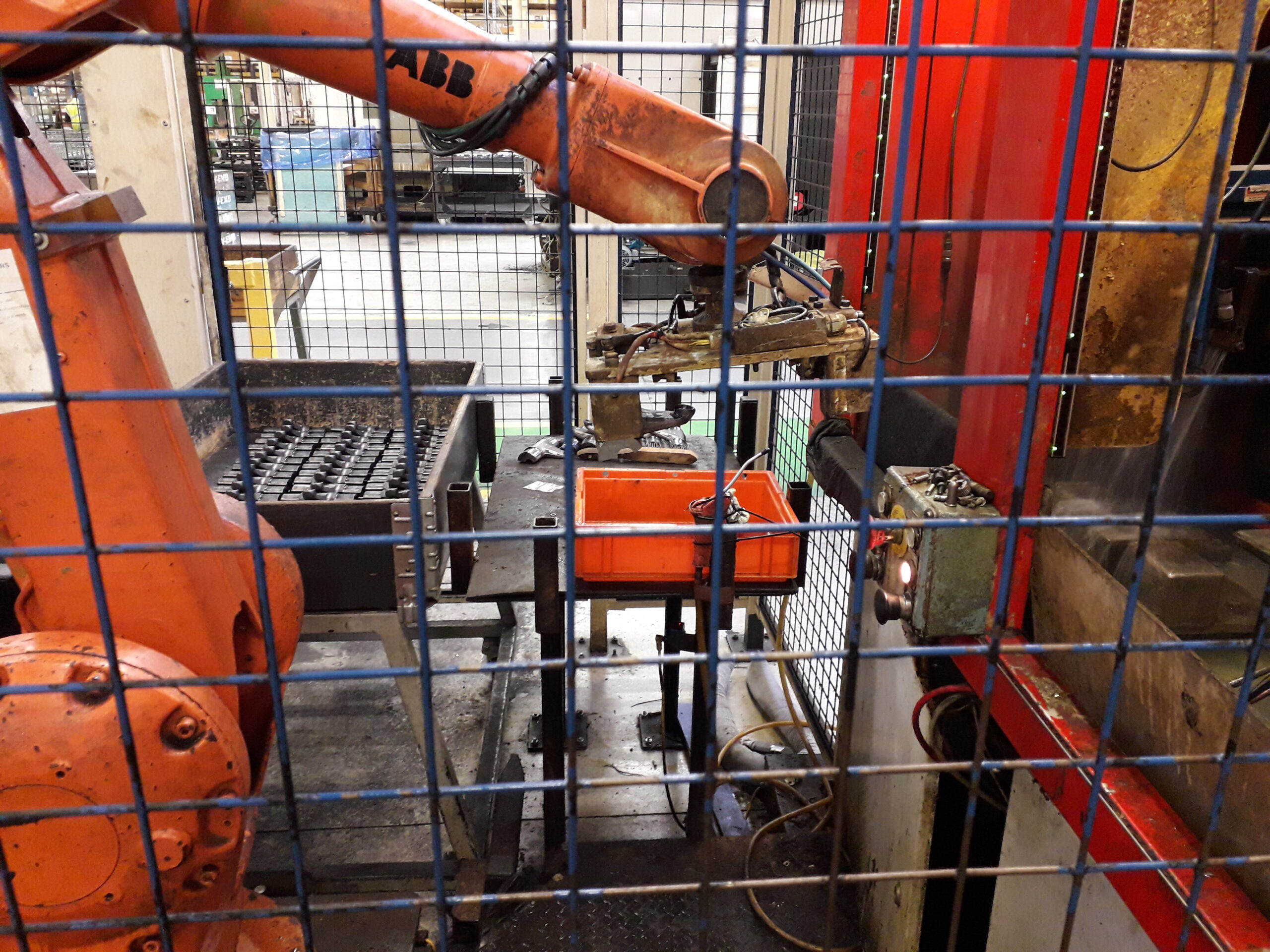
Robot Welding Systems In London can help manufacturers improve consistency, reduce waste and increase output without relying solely on manual welding capacity. For businesses working across fabrication, automotive, metal components, machinery, construction products or specialist manufacturing, robotic welding offers a practical route to stronger productivity and repeatable quality. Premier Automation designs, builds, integrates, upgrades and relocates robotic systems around each customer’s individual process requirements, commercial targets and payback criteria.
Manufacturers in London often face pressure from rising labour costs, tighter delivery schedules and the need to maintain high welding standards across every batch. A well-designed robotic welding cell can address these issues by creating a controlled, repeatable process that performs accurately over long production runs. The aim is not simply to install a robot, but to create a complete system that fits the product, workspace, throughput target and safety requirements.
Robot Welding Systems In London For Consistent Weld Quality
Weld quality is one of the main reasons companies invest in robotic automation. A robot follows the same programmed path every time, helping to reduce variation between operators, shifts and production batches. This is especially useful where components require accurate positioning, repeatable bead placement and reliable penetration.
Premier Automation has experience integrating a wide range of robot models from leading manufacturers into diverse applications, including welding. The company’s approach focuses on creating robust systems that meet both technical and commercial criteria. That means considering part presentation, fixturing, tooling, robot reach, welding technology, guarding, controls and operator access from the start.
For customers producing repeated parts, robotic welding can reduce rework and scrap. For those working with changing product ranges, the right system can also be designed with flexibility in mind, making it easier to adapt programmes, tooling or fixtures as production needs develop.
Robot Welding Systems In London That Improve Throughput
Manufacturers often look at automation because they need to increase output without compromising quality. Robot Welding Systems In London can support this by reducing cycle times, improving machine utilisation and allowing production to continue with less manual intervention.
A robotic welding cell can be configured around single-part production, batch work or more complex automated handling. Depending on the process, this may include positioners, conveyors, safety guarding, specialist fixtures, fume extraction, PLC control, HMI screens and offline programming. The result is a system that supports the full production flow, rather than treating welding as an isolated task.
Premier Automation can also re-engineer existing robot systems to make them work more efficiently. This may include reducing cycle times, improving part handling, updating tooling or modifying the system to cope with new products. For companies that already have automation in place, this can be a cost-effective way to gain more value from existing equipment.
Designing The Right Robotic Welding Cell
A successful welding automation project starts with a detailed understanding of the process. The shape of the component, material type, weld length, access points, batch size, required finish and inspection standards all influence the system design. Poorly planned automation can create bottlenecks, so the early assessment stage is essential.
Premier Automation provides honest and unbiased advice to help customers identify the most suitable solution. Automation is not right for every application, and a good integrator should be clear about where the return on investment is likely to come from. In some cases, a new robot welding cell will be the best route. In others, upgrading an existing system, improving controls or changing tooling may deliver the required results.
The company’s engineering team includes designers, mechanical engineers, electrical engineers and programmers. This allows projects to be managed as complete systems, covering mechanical design, control systems, robot programming, PLC programming, fabrication, assembly, installation and commissioning.
Robot Welding Systems In London With Safe, Practical Integration
Robot Welding Systems In London must be designed with safety, access and usability in mind. Robotic welding involves moving machinery, hot work, electrical equipment and process-specific risks, so guarding, risk assessment and control system design are central to the project.
The Health and Safety Executive provides guidance on workplace machinery and equipment safety, including employer responsibilities around safe use, maintenance and guarding. You can find useful guidance through the HSE machinery safety resource. For wider industry insight into robotics and automation, the British Automation & Robot Association is also a helpful authority source.
Premier Automation designs control systems using modern engineering tools and can provide schematics, parts lists, panel layouts, cable schedules, EN13849 safety reports and controls risk assessments. Control panels are built and tested internally by qualified electricians before despatch, helping to ensure quality and compliance before the system reaches site.
Upgrading Existing Robot Welding Systems In London
Not every project needs to start from scratch. Existing Robot Welding Systems In London may be suitable for upgrading, reprogramming or re-engineering, particularly where the robot itself is still serviceable but the surrounding process has changed.
Common reasons for upgrading include slower cycle times, worn tooling, outdated controls, new product designs, increased throughput requirements or the need to reuse a robot in a new cell. Premier Automation can carry out a system assessment to review the current equipment, discuss production goals and recommend practical improvements.
The company’s programmers can support both robot and PLC systems, including offline programming and digital twin methods where appropriate. Offline programming can help reduce downtime by allowing changes to be prepared away from the production cell before being commissioned on site. This is particularly useful for manufacturers who cannot afford extended production disruption.
Relocation, Controls And Long-Term Support
Manufacturing layouts change over time. A business may move premises, reorganise production areas or transfer a system to another site. Relocating automation can be complex, especially where robots, control panels, guarding, fixtures and services all need to be removed, transported and recommissioned correctly.
Based from a large facility in Bedford, Premier Automation can relocate systems locally, nationally or internationally. The team can assess the existing cell, plan the move, manage modifications and recommission the system so it returns to productive use with reduced risk.
The company also designs and manufactures new control systems for robots, special purpose machinery and process lines. As a Siemens Solution Partner, Premier Automation works to recognised standards across control design, panel build, installation and commissioning. This matters because the control system is central to how operators interact with the automation, how safely the cell runs and how well the system connects with wider production processes.
Choosing A Robot Welding Partner
Robot Welding Systems In London should be planned around measurable results. For some companies, the priority is higher output. For others, it may be reducing rework, solving labour availability issues, improving weld consistency or creating a safer production environment. The right partner will take time to understand those goals before recommending a system.
Premier Automation has been developing robot-based automation and control systems since 2000, working across many applications and manufacturing sectors. The company can design and build new robot systems, integrate used robots, modify existing automated systems, manufacture tooling and fabrications in-house, and provide after-sales support when customers need ongoing help.
For manufacturers considering robotic welding, the best starting point is a practical discussion about the current process, production targets and commercial payback. Premier Automation can support businesses with new systems, upgrades, programming, controls and relocation services, helping customers identify a cost-effective automation route that fits their operation.