
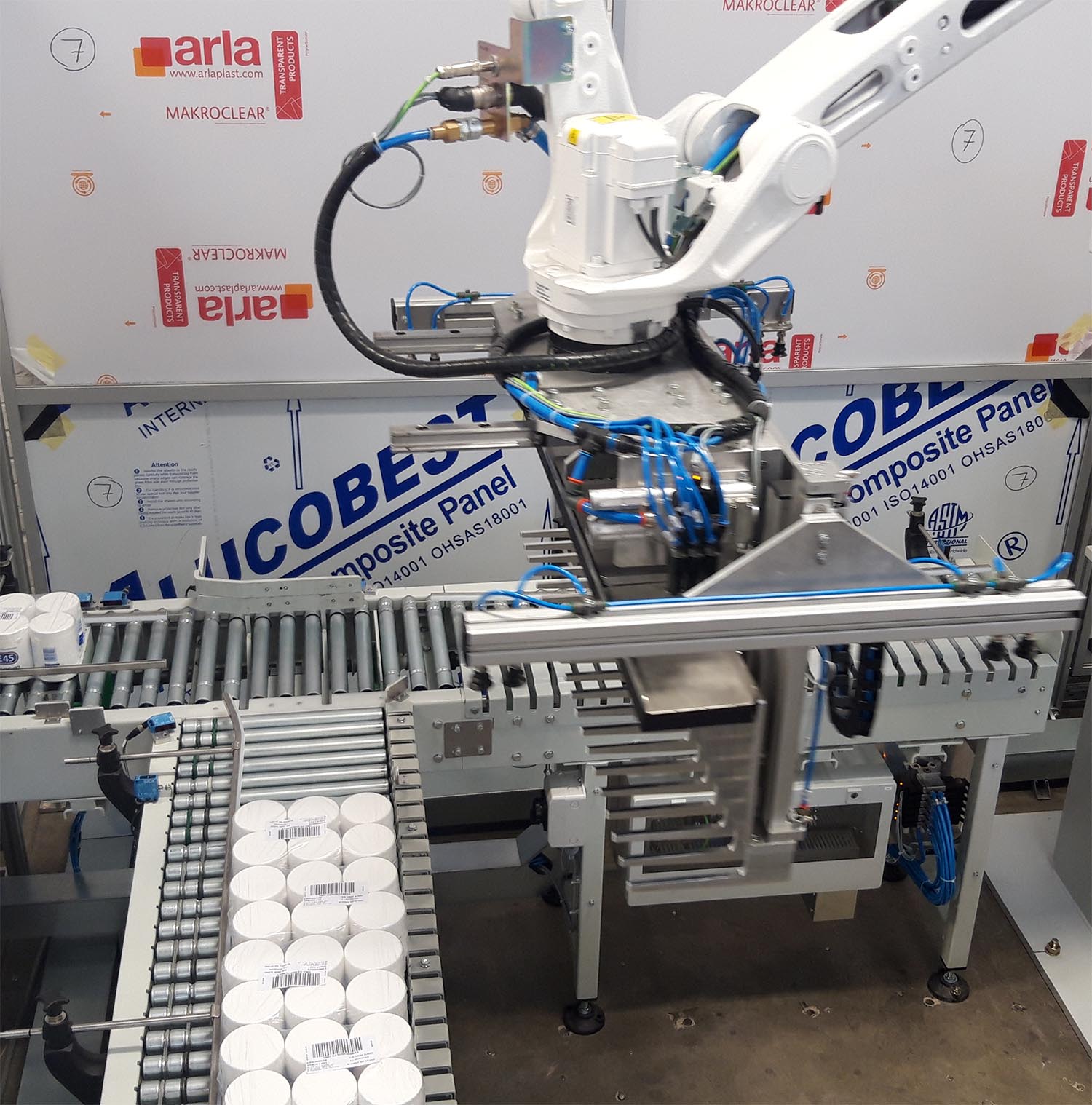
How can I utilise Robotic Welding Systems? A Practical Guide for Manufacturers
If you are asking, How can I utilise Robotic Welding Systems? the best starting point is to look at the repeat welding tasks already taking place in your production process. Robotic welding can help manufacturers improve consistency, reduce rework, increase output and make better use of skilled staff. It is not the right answer for every welding job, but where parts are repeatable and volumes justify the investment, it can deliver strong long-term value.
Premier Automation designs and builds new robot systems, integrates used robots, and modifies existing automated systems to meet each customer’s production requirements and payback criteria. For businesses that need better weld quality, shorter cycle times or support with labour availability, a well-planned robotic welding system can be a practical and commercially sound step forward.
How can I utilise Robotic Welding Systems? Start with the right application
Robotic welding works best where the process is repeatable. This may include batch production, fabricated assemblies, automotive components, structural parts, frames, brackets, cabinets or other welded products that require regular, accurate joins. The robot can follow programmed weld paths consistently, helping to reduce variation from one part to the next.
The first question is whether the part can be presented to the robot accurately each time. Fixtures, tooling and part location are just as important as the robot itself. If parts move, vary too much or are difficult to clamp, the system may need additional design work before automation becomes viable.
A good assessment will consider material type, weld length, access, joint design, production volumes, current labour input, quality issues and inspection requirements. This helps identify whether robotic welding will improve your process, rather than simply adding automation for the sake of it.
Improving weld quality and repeatability
One of the main reasons manufacturers invest in robotic welding is consistency. A robot can repeat the same movement, speed and position across long production runs. This can help reduce defects, improve appearance and support more predictable quality control.
For businesses dealing with inconsistent manual welds, robotic systems can also reduce rework. Fewer errors mean less time spent grinding, correcting or scrapping parts. This can have a direct effect on productivity, particularly where downstream processes rely on accurate welded assemblies.
Robotic welding can also help protect valuable welding knowledge. Skilled welders remain essential, but automation can take over repetitive production tasks while experienced staff focus on programming, inspection, complex welds, supervision and process improvement.
How can I utilise Robotic Welding Systems? Consider cycle times and throughput
How can I utilise Robotic Welding Systems? is often asked by manufacturers who need to increase output without expanding their workforce or floor space. A robotic welding cell can reduce cycle times by working efficiently and consistently, especially where parts are designed and fixtured for automation.
The overall gain depends on the full process, not just the welding time. Loading, unloading, part handling, cleaning, inspection and fixture changeovers all affect productivity. A well-designed system looks at the whole cell, including robot reach, positioners, guarding, extraction, access, operator workflow and future product requirements.
In some cases, the best solution may be a new robot system. In others, an existing robot can be re-engineered, reprogrammed or upgraded to handle new products more efficiently. Premier Automation supports both options, including new installations, used robot integration and modification of existing automated systems.
Safety, guarding and compliance
Any robotic welding system must be designed with safety in mind. This includes guarding, interlocks, safe access, emergency stops, extraction, risk assessments and safe working procedures. The HSE machinery safety guidance is a useful reference for businesses reviewing work equipment, guarding and machinery responsibilities.
Safety should be built into the project from the earliest design stage. It should not be treated as an add-on once the cell has been built. A properly integrated system protects operators while still allowing practical access for loading, maintenance, adjustment and inspection.
Control systems also play a major role. The control panel, PLC, robot controller and safety devices must work together reliably. Clear operator interfaces help staff use the system confidently, reducing downtime and making daily operation more straightforward.
How can I utilise Robotic Welding Systems? Upgrade what you already have
Not every business needs to start again with a completely new system. If you already have robotic equipment on site, it may be possible to update or re-engineer it. Older cells can sometimes be improved through new tooling, revised programmes, updated controls, better guarding, offline programming or changes to the way parts are loaded.
This approach can be particularly useful if your products have changed, throughput requirements have increased, or an existing robot is no longer being used effectively. A site survey can help identify whether the system is suitable for upgrade, relocation or repurposing.
Premier Automation can assess existing robot systems and advise on practical improvements. This may include reducing cycle times, adapting the cell for new products, replacing inefficient components, improving controls or moving a system to a different area of the factory.
Choosing the right integration partner
A robotic welding project is not just about selecting a robot. The success of the system depends on integration, programming, tooling, controls, safety, commissioning and after-sales support. The British Automation & Robot Association provides useful information on automation and robotics within UK industry.
Manufacturers should look for an integration partner that understands both the technical and commercial side of automation. The system needs to meet production requirements, but it also needs to support a sensible return on investment. Honest advice matters, especially where automation may not be suitable for every part or process.
Based in Bedford, Premier Automation works with manufacturers across the UK and beyond, providing robot integration, control systems, programming, upgrades, relocation, manufacturing support and after-sales service.
Planning for payback and future flexibility
How can I utilise Robotic Welding Systems? should always lead to a wider discussion about payback. The system should support measurable improvements, such as reduced labour pressure, higher output, better quality, less rework, improved safety or longer unmanned running periods.
Future flexibility is also important. Product designs may change, volumes may increase and new parts may be introduced. A system that can be reprogrammed, retooled or expanded may offer better long-term value than one designed for a single narrow task.
Offline programming and digital twin tools can also help reduce disruption. Programmes can be created or modified away from the production cell, helping to minimise downtime during installation, product changes or process improvements.
Frequently Asked Questions
What types of welding can be automated with robots?
Robots can be used with a range of welding processes, depending on the material, joint design and production requirements. The right choice depends on the part, weld access, quality standards and expected production volume.
How can I utilise Robotic Welding Systems? if I only make small batches?
Small batches may still be suitable if parts are similar, tooling is flexible and programming can be managed efficiently. The key is to assess changeover time, fixture design and the likely return on investment.
Can an existing robot welding system be upgraded?
Yes, many systems can be improved with new tooling, updated controls, revised programming, safety upgrades or changes to part handling. A detailed site survey will confirm what is practical.
Do robotic welding systems replace skilled welders?
They usually support skilled welders rather than replace them entirely. Robots can handle repetitive production work, while experienced staff focus on complex welding, programming, inspection and process control.
If you are considering automation and asking, How can I utilise Robotic Welding Systems? Premier Automation can review your process, discuss your targets and advise whether a new, used, upgraded or relocated robotic welding solution is the right fit for your production needs.