Robot Welding Systems In The UK: A Practical Guide For Manufacturers
Robot Welding Systems In The UK are becoming a practical route for manufacturers that need stronger consistency, improved output and better control over production costs. For businesses handling repetitive welding work, fluctuating labour availability or demanding quality standards, robotic welding can provide a stable, repeatable process that supports long-term growth. Premier Automation designs, builds, integrates and upgrades robotic systems around each customer’s process, rather than trying to force a standard solution into a production line where it may not fit.
Why Robot Welding Systems In The UK Are Used In Manufacturing
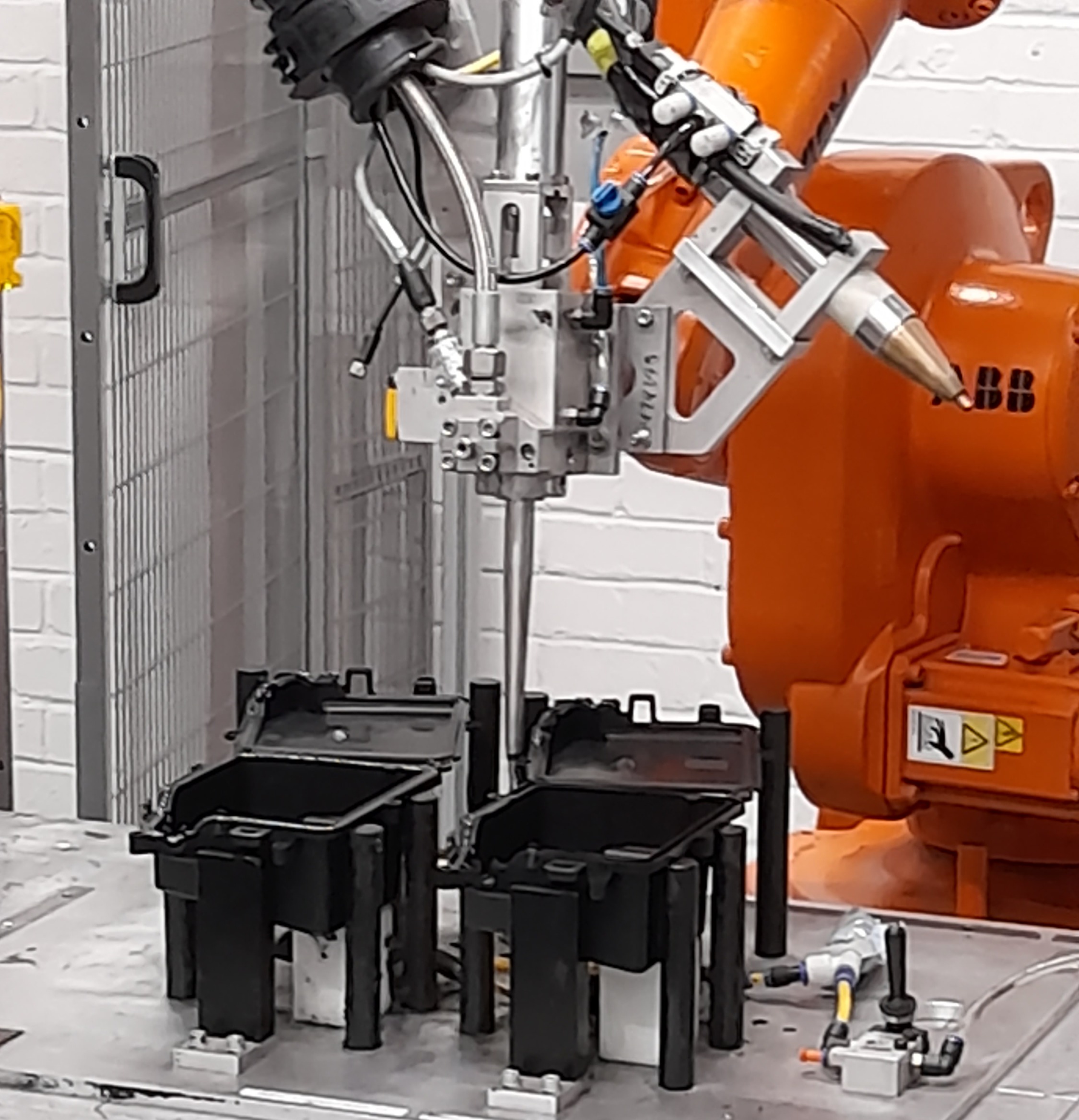
Welding is one of the most established applications for industrial robots because it suits repeatable movement, controlled positioning and consistent process timing. A well-designed robotic welding cell can help reduce variation between parts, improve weld repeatability and support higher throughput without placing extra strain on operators.
For many manufacturers, the goal is not simply to replace manual work. It is to create a more dependable process where skilled staff can focus on supervision, quality control, programming, inspection and higher-value tasks. This is particularly useful where products are made in regular batches, where weld quality must remain consistent, or where manual welding creates bottlenecks in the wider operation.
Robotic welding can also support safer working practices by reducing direct exposure to repetitive, hot or physically demanding tasks. Manufacturers still need to assess guarding, controls and safe operation properly. Guidance from the HSE on work equipment and machinery safety is a useful reference point for businesses planning automation projects.
Planning Robot Welding Systems In The UK Around Your Process
The most successful projects start with the production requirement, not the robot. Before choosing equipment, it is important to understand the part design, weld type, fixture requirements, cycle time target, loading method, operator involvement, quality checks and available floor space.
Premier Automation takes this process-led approach when designing Robot Welding Systems In The UK. The team can integrate new robot systems, work with used robots where appropriate, or modify existing automated systems to suit new products and changing production demands. This is especially useful for manufacturers that already have robotic equipment but are not getting the performance, flexibility or payback they expected.
Payback is an important part of the decision. A robotic welding system should make commercial sense as well as technical sense. That means considering productivity, downtime, quality improvements, operator availability, maintenance, energy use and the expected lifespan of the system. Honest advice matters, because automation is not suitable for every welding task.
New Systems, Used Robots And Upgrades
A new robotic welding cell can be designed around the exact production requirement, including robot selection, tooling, welding equipment, guarding, controls, software and commissioning. This approach is often best where the process is clearly defined and the business needs a robust long-term solution.
Used robots can also be a cost-effective option when selected and integrated correctly. For some manufacturers, a refurbished or re-used robot may provide the right balance between capability and budget. The key is making sure the robot, controls, tooling and safety systems are suitable for the application.
Existing systems can often be re-engineered rather than replaced. A cell may need new tooling, updated programming, improved guarding, a revised control system or a layout change to reduce cycle times. Premier Automation can assess current systems and advise whether an upgrade, relocation, re-programming or full rebuild is the most sensible route.
Control Systems, Programming And Safety
The control system is central to any automated welding cell. It needs to be reliable, safe and easy for operators to use. Poorly designed controls can limit the performance of an otherwise capable robot system, so the design stage should cover functionality, diagnostics, safety, operator interface and future maintenance.
Premier Automation designs control systems for robot cells, special purpose machinery and process lines. The company uses Eplan for design work and can provide schematics, parts lists, panel layouts, cable schedules, EN13849 safety reports and controls risk assessments. Control panels are built and tested in-house before installation.
Programming is another key factor. Offline programming and digital twin tools can help optimise cell design, reduce disruption and allow changes to be prepared before work is carried out on site. Robot and PLC programming can also be used to adapt systems for new products, improve movement paths and reduce unnecessary downtime.
Choosing Robot Welding Systems In The UK For Long-Term Value
Robot Welding Systems In The UK should be judged on more than the initial installation. Long-term value comes from uptime, support, ease of use, flexibility, quality and the ability to adapt as production changes. Manufacturers should consider whether the system can handle future product variations, whether tooling can be changed efficiently, and whether staff can operate the cell confidently.
The wider automation industry also provides useful guidance and context. The British Automation & Robot Association is a recognised source for information around robotics and automation in British manufacturing.
Location and access can matter too, especially for surveys, installation, commissioning and after-sales support. Premier Automation operates from a large facility in Bedford, with transport links that support projects across the country. The company can also relocate existing systems locally, nationally or internationally where required.
How The Right Integration Partner Helps
A robot is only one part of a complete welding solution. The wider cell may include fixtures, guarding, control panels, sensors, welding equipment, conveyors, operator stations, extraction, inspection processes and communication with other systems. Integration is the stage where all of these elements need to work together reliably.
Premier Automation has experience integrating a wide range of robot models from leading manufacturers across multiple applications. As an ABB Value Provider, the company has recognised expertise in ABB robot systems, programming and training. Its engineers also support PLC programming, SCADA, MES-style systems, machine interfaces, tooling design, fabrication and after-sales support.
For customers considering Robot Welding Systems In The UK, this broad engineering capability can make the project smoother from concept to commissioning. It also means future changes can be handled more easily, whether the system needs a new product programme, different tooling, improved cycle time or relocation to another site.
If your business is reviewing welding productivity, quality or capacity, Premier Automation can provide practical advice on new systems, used robot integration, upgrades, re-engineering and relocation, helping you identify a solution that fits your technical requirements and commercial payback criteria.