TIG Welding Robots for Precision, Consistency and Better Production Flow
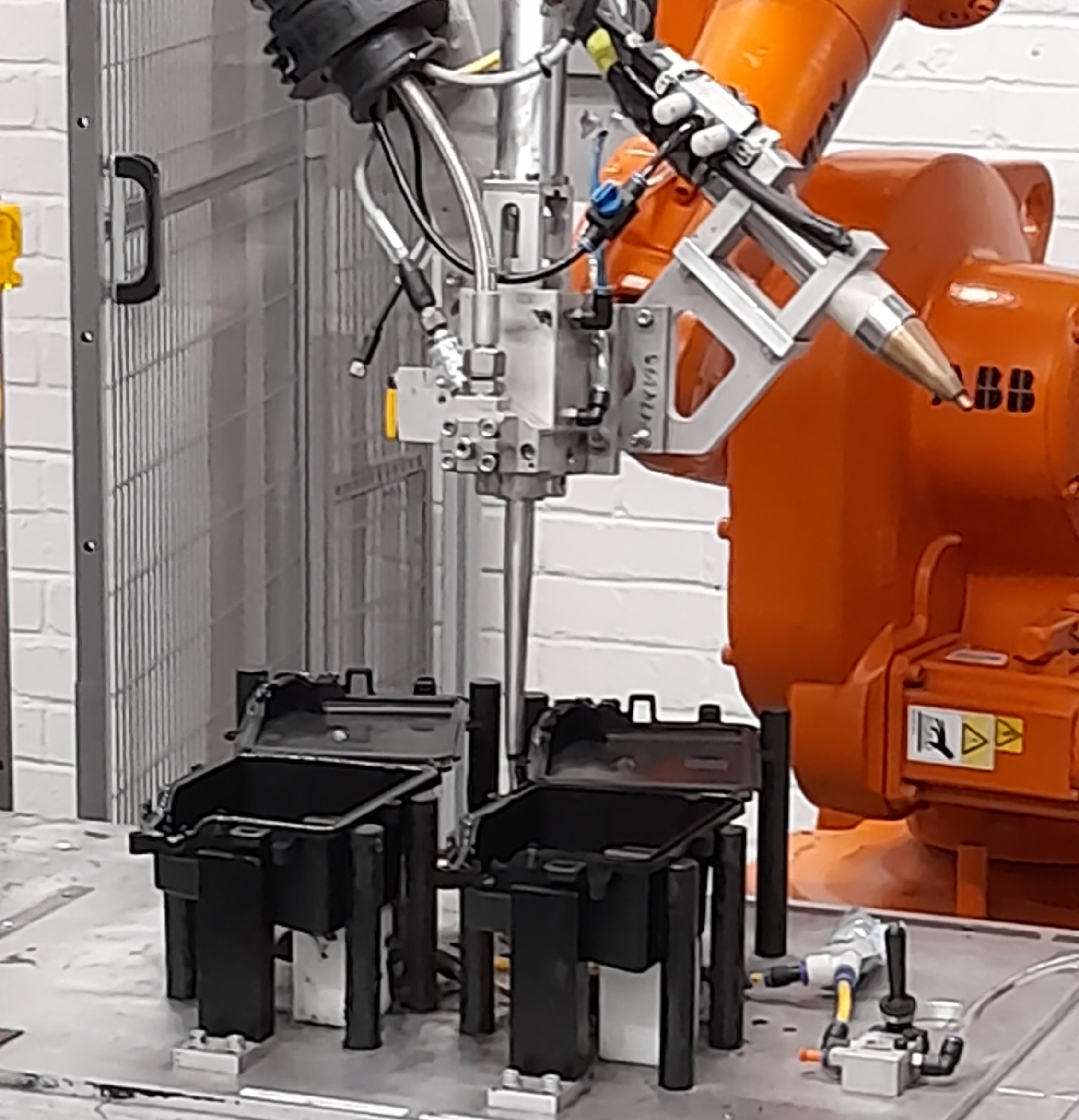
For manufacturers that need clean, accurate welds on repeat parts, TIG Welding Robots can be a strong long-term investment. TIG welding is often chosen where appearance, control and weld quality matter, particularly on thinner materials or components that demand a high standard of finish. By automating the process, businesses can improve consistency, reduce variation between parts and make production planning more reliable. Premier Automation works with manufacturers across the UK to design, build and improve robotic systems that match real production needs rather than forcing a one-size-fits-all approach.
Why TIG Welding Robots suit repeat production
TIG welding is well known for the control it offers, but manual TIG work can be time-consuming and heavily dependent on operator skill. When parts are produced in regular volumes and the weld path remains consistent, automation can deliver major advantages. A robotic system can follow the same programmed movement every cycle, helping to maintain stable quality and reduce rework.
This makes robotic TIG welding particularly useful for manufacturers producing repeat components where visual finish, dimensional accuracy and dependable weld quality are important. It can also support better use of skilled labour, allowing experienced staff to focus on inspection, setup, process improvement and other higher-value tasks rather than repeating the same weld sequence all day.
Automation can also help create a safer working environment. As with any machinery project, the design of the full cell matters, including guarding, interfaces and controls. The HSE guidance on machinery safety is an important reference point when developing automated systems that are safe, compliant and practical to use.
Where TIG welding automation adds real value
Not every welding process needs a robot, but there are many cases where the benefits are clear. Components with repeatable joint locations, stable material specification and predictable production demand are often strong candidates. Industries such as automotive supply, electronics, fabricated assemblies and specialist engineering can all benefit from robotic welding where precision and repeatability are central to product quality.
The value is not only in faster cycle times. A well-designed system can also improve weld consistency from shift to shift, reduce scrap, support traceable processes and create better control over output. For businesses trying to balance quality targets with labour pressures, this can make a major difference to day-to-day performance.
Premier Automation understands that successful automation depends on how the process works in the real world. Material handling, tooling, part presentation, operator access and downstream production demands all need to be considered before a system is specified. That practical view helps ensure the final solution supports the wider operation rather than creating new bottlenecks.
Planning TIG Welding Robots around your process
The robot itself is only one part of the project. A reliable welding cell depends on control systems, fixtures, safety features, software, programming and commissioning all working together properly. If one part of the setup is weak, the overall system will struggle to deliver the performance expected.
Premier Automation designs and manufactures control systems for a wide range of industrial applications, including robots, process lines and special purpose machinery. The team can provide full schematics, parts lists, panel layouts, cable schedules, EN13849 safety reports and controls risk assessments. That level of detail gives customers a clearer path from design to installation and helps reduce avoidable disruption later in the project.
Operating from a large facility in Bedford, Premier Automation is able to build and test control panels internally before despatch. Installation and commissioning are then carried out on site, with software engineers supporting final setup and training. This joined-up process helps customers move from concept to working production cell with greater confidence.
Upgrades, re-engineering and relocation options
Some manufacturers already have welding automation in place but need better performance from it. In these cases, it may not be necessary to start from scratch. Existing systems can often be upgraded to improve cycle times, cope with new product requirements or restore performance that has fallen away over time. Used robots can also be integrated into revised applications where that makes technical and commercial sense.
This is an area where experience matters. Premier Automation can assess an existing system, identify weak points and recommend practical improvements based on your production needs and payback expectations. For some businesses, that could mean revised tooling and updated programming. For others, it could involve a full control system redesign or changes to the cell layout.
Relocation is another service that can be valuable when production sites are reorganised. Moving automation safely and efficiently requires careful planning across mechanical, electrical and software elements. A structured approach reduces risk and helps get the system back into operation without unnecessary delay.
Choosing a partner
When investing in automation, it helps to work with a company that can support more than just the initial installation. Premier Automation has built a reputation for robot integration across a wide range of applications and works with customers to find cost-effective solutions that meet both technical and commercial goals. The business also provides PLC and robot programming support, offline programming and after-sales assistance to help systems continue performing well over time.
Industry organisations such as the British Automation & Robot Association continue to promote the benefits of robotics in improving productivity, quality and flexibility across UK manufacturing. For businesses considering TIG Welding Robots, the main objective should always be a system that fits the process, supports reliable output and delivers measurable value over the long term.
If you are reviewing your welding process and want expert guidance on a new system, an upgrade or a re-engineered cell, Premier Automation can help you assess the options and develop a solution that fits your production goals.