Why use TIG Welding Robots? Improving Precision, Consistency and Production Efficiency
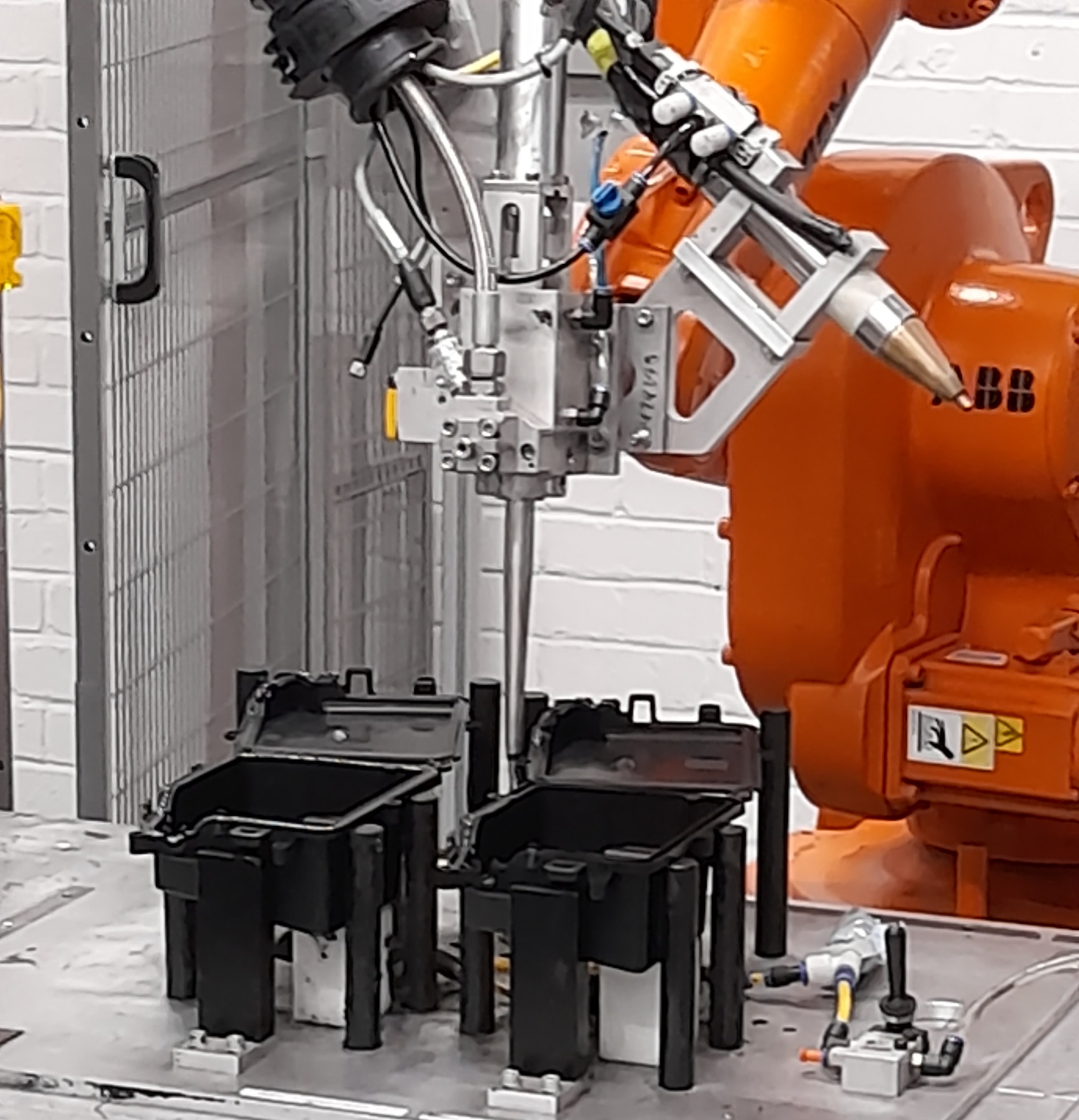
Why use TIG Welding Robots? For manufacturers seeking cleaner welds, repeatable quality and greater control over demanding production processes, robotic TIG welding can offer a practical route forward. TIG welding is valued for producing precise, high-quality results, but manual performance can vary according to operator experience, fatigue and the complexity of the component. A correctly designed robotic system can maintain controlled movements and process parameters across repeated production cycles.
TIG welding is often selected for applications where appearance, accuracy and weld integrity matter. It can be used with materials such as stainless steel, aluminium and other metals where controlled heat input is important. By combining the process with industrial robotics, manufacturers can reduce dependence on repetitive manual welding while creating a more predictable production environment.
Why use TIG Welding Robots? For More Consistent Weld Quality
Consistency is one of the strongest reasons to consider robotic TIG welding. A skilled manual welder can produce excellent results, but maintaining identical torch angles, travel speeds and paths over long production runs is challenging. Human performance naturally varies, particularly during repetitive work or across different shifts.
A robot follows its programmed path repeatedly. Once the welding process has been developed and proven, the system can reproduce the required motion with a high degree of consistency. This can help reduce variations between components and make finished output more predictable.
Better repeatability may also reduce the time spent correcting avoidable defects or reworking inconsistent welds. For customers with products that must meet defined quality expectations, a stable automated process can support more reliable production planning. The result is not simply faster welding; it is greater control over how work is completed from one component to the next.
Why use TIG Welding Robots? To Improve Productivity
Robotic welding can support increased productivity by reducing interruptions between repeated welding cycles. A robot does not need the same rest periods as a human operator and can perform programmed tasks at a controlled pace throughout a production run. Where components and processes are suitable for automation, this can improve the use of available production time.
The wider cell design also matters. Fixtures, loading arrangements, positioners and control systems all influence how efficiently the robot can work. A poorly planned system may simply move an existing bottleneck elsewhere. A well-integrated system considers the complete process, including how parts arrive, how they are held, how welding access is achieved and how finished components leave the cell.
This is why Premier Automation approaches robot integration around individual production requirements rather than treating the robot as a standalone purchase. Systems can be designed around technical requirements, expected throughput and commercial payback criteria, helping customers invest in automation that serves a clear production purpose.
Why use TIG Welding Robots? To Support Safer Working Practices
Welding environments can expose employees to heat, fumes, intense light and repetitive physical demands. Automating suitable tasks can reduce the amount of direct operator involvement close to the active welding process. This can be particularly useful for repetitive production where the same movements are performed continuously.
Automation does not remove the need for careful safety planning. Robot cells must be designed with appropriate guarding, interlocks, control measures and risk assessment. The HSE guidance on work equipment and machinery provides useful information for businesses managing machinery-related risks.
Operators still have an important role. Depending on the application, they may load components, supervise production, inspect finished work or manage process changes. The objective is often to move people away from repetitive exposure and towards tasks where judgement, inspection and production knowledge add greater value.
Flexibility for New and Existing Production Systems
Why use TIG Welding Robots? Another reason is that automation does not always require a completely new production facility. Existing robot systems may sometimes be modified, reprogrammed or re-engineered to accommodate new products, improve cycle times or restore performance. Used robots can also be integrated where they provide the right technical and commercial fit.
For manufacturers with changing product requirements, offline programming can be especially valuable. Programmes may be created or adjusted using digital tools before changes are introduced on the production floor. This can help reduce disruption and allows engineers to assess robot movement, cell layout and process access in advance.
Premier Automation provides new robot systems, integration of used robots, updates to existing automated equipment and system relocation services. From its facility in Bedford, the company supports projects across the UK and internationally. Its capabilities include robot and PLC programming, control systems, mechanical and electrical engineering, fabrication, tooling and commissioning.
Businesses considering broader robotic automation can also refer to the British Automation & Robot Association for industry information. The most suitable approach will depend on production volumes, component consistency, weld requirements, available space and the expected return on investment.
Choosing a TIG Welding Robot System That Fits the Process
Successful robotic TIG welding depends on more than selecting a robot with sufficient reach. The complete application needs to be assessed. Component design, tolerances, joint access, fixturing, material behaviour, loading methods and production volumes can all affect whether automation is appropriate.
Control system design is equally important because the robot must work reliably with the surrounding equipment. Interfaces may be required for safety systems, positioners, tooling, sensors and wider production controls. An intuitive operator interface can also make routine use, fault finding and product changes easier for the people responsible for running the system.
Premier Automation provides honest, application-led advice because automation is not the right answer for every manufacturing problem. By assessing the process first, the engineering team can identify whether a new robotic welding cell, an upgrade to existing equipment or another approach offers the strongest technical and commercial case.
Frequently Asked Questions
Are TIG welding robots suitable for small production batches?
They can be, particularly where products repeat regularly or where offline programming and flexible fixtures make changeovers practical. The business case depends on component variety, setup time and the value of improved consistency.
Can an existing welding robot system be upgraded?
Yes, many existing systems can be reprogrammed, modified or re-engineered. Upgrades may address changing products, outdated controls, reduced efficiency, new tooling requirements or increased throughput targets.
Do robotic TIG welding systems still need operators?
Usually, yes. Operators may load parts, monitor the cell, inspect output and manage production changes. Automation changes the nature of the work rather than removing every human role from the process.
How do I know whether robotic TIG welding will provide a good return?
A proper assessment should consider current labour input, production volumes, quality losses, rework, downtime, future demand and the total cost of integration. A realistic payback calculation should be based on the complete process.
For manufacturers exploring robotic TIG welding, upgrades or wider automation projects, Premier Automation can assess existing processes and develop a solution around practical production needs and commercial criteria. The team offers experience across robot integration, control systems, programming and system re-engineering, providing a considered starting point for businesses looking to improve quality, efficiency and reliability.