Palletising Robot Systems Bedford for Faster End-of-Line Automation and Better Output
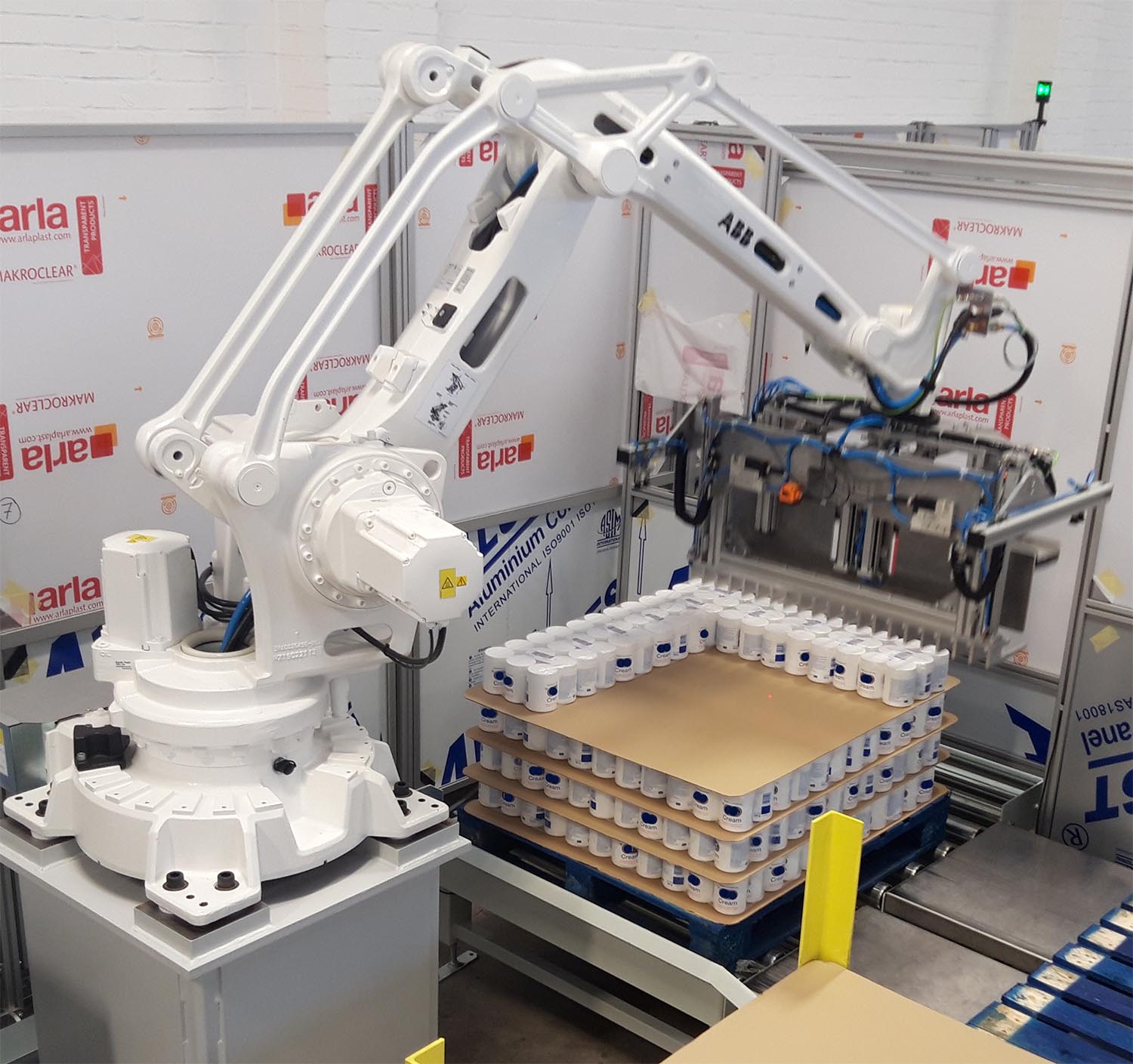
For manufacturers aiming to improve throughput, consistency and workplace safety, Palletising Robot Systems Bedford can provide a practical route to stronger end-of-line performance. Manual palletising can be physically demanding, difficult to scale and vulnerable to inconsistency, especially where product volumes change or multiple lines need to be handled at once. By introducing a well-designed robotic system, businesses can reduce repetitive handling, improve load quality and create a more efficient production flow. Premier Automation designs and builds robot-based systems that help manufacturers achieve those results with solutions tailored to real production requirements.
Palletising is often one of the final stages in a process, but it has a major impact on how smoothly the rest of the operation performs. If products back up at the end of the line, productivity suffers across the whole factory. A reliable robotic palletising system helps maintain pace, improves accuracy and reduces the pressure on manual labour, especially in busy production environments.
Why businesses invest in Palletising Robot Systems Bedford
Many businesses turn to automation because palletising is repetitive, labour-intensive and hard to manage efficiently during peak periods. Staff shortages, rising labour costs and increasing output targets can all make manual palletising more difficult to sustain. A robotic system offers a more consistent alternative, stacking products quickly and accurately while freeing operators to focus on higher-value work.
Companies based in and around Bedford often need systems that fit their exact layout, product range and performance targets. Some require a compact cell for a single line, while others need twin pallet positions, multiple infeeds or integration with downstream equipment. Premier Automation works with customers to assess those needs properly and develop solutions that match both technical requirements and payback expectations.
This matters because automation is not a one-size-fits-all purchase. The right system should suit the products being handled, the available floor space, the required cycle time and the level of flexibility needed in the future.
What a good palletising system should deliver
A well-designed palletising cell should do more than simply replace manual handling. It should improve the overall efficiency of the line and create a reliable, repeatable process that supports production targets day after day. That includes consistent product placement, stable pallet loads, reduced product damage and dependable cycle times.
In many cases, palletising cells are also integrated with other equipment such as conveyor systems, pallet conveyors, stretch wrappers or empty pallet handling. Gripper design is another important factor. Different products require different handling methods, and the tooling must suit the size, weight and shape of the load. Premier Automation has experience designing special grippers for a wide range of products, helping customers achieve a solution that works properly in real operating conditions rather than only on paper.
Ease of installation, relocation and future modification can also be important. Some businesses want a system that can be moved or adapted as production changes. With in-house fabrication, controls expertise and robot integration experience, Premier Automation can support both new systems and updated existing installations.
How Palletising Robot Systems Bedford support safety and consistency
One of the biggest advantages of robotic palletising is the improvement it can bring to workplace safety. Repetitive lifting, twisting and stacking can place significant strain on operators, particularly over long shifts. By automating these tasks, businesses can reduce exposure to physically demanding manual work and lower the risk of injury.
Safety must always be considered as part of the design process, not added at the end. Guidance from the HSE helps frame expectations around machinery safety, guarding and safe operation. Industry insight from BARA also highlights the growing role automation and robotics play in improving productivity and modernising manufacturing. A professionally designed cell should balance performance with safe access, intuitive controls and practical day-to-day usability.
Consistency is another major benefit. Robots do not tire during a shift, and they do not vary their stacking pattern from one pallet to the next. That helps businesses create uniform pallet loads that are easier to store, transport and handle further along the supply chain.
Choosing Palletising Robot Systems Bedford for new or existing lines
Some manufacturers are investing in automation for the first time, while others already have equipment in place and need to improve it. Both situations can benefit from an experienced integration partner. A new installation may need a complete design package including controls, safety, software and commissioning. An older cell may only need re-engineering, updated programming or a revised layout to perform more effectively.
Premier Automation supports both approaches. The company designs and builds new robotic systems, integrates used robots where appropriate and modifies existing automation to improve efficiency, reduce cycle times or handle new products. That flexibility is valuable for businesses that want to maximise return on investment without replacing more equipment than necessary.
Because the team also offers relocation services, support for PLC and robot programming, and in-house control system design, customers can access a broader service than a simple equipment supply. This helps ensure the finished system fits into the wider production process rather than operating as a standalone piece of machinery.
Why local engineering support matters
For many manufacturers, proximity still matters when choosing an automation partner. A company with strong local access can carry out site surveys, respond to technical issues and manage installation work more efficiently. Premier Automation operates from a large facility in Bedford, giving customers access to experienced designers, mechanical engineers, electrical engineers and programmers from a well-connected base.
That close support can make a real difference during planning, commissioning and after-sales care. It also helps when systems need upgrading in response to new products, changed throughput requirements or factory layout changes. Businesses considering Palletising Robot Systems Bedford are often looking for more than a robot alone. They need a robust, commercially sensible solution backed by practical engineering support and honest technical advice.
If you are looking to improve end-of-line efficiency, reduce manual handling and create a more reliable palletising process, Premier Automation offers tailored automation solutions built around your production needs. From new robot cells to upgrades and re-engineered systems, their team can help you move towards safer, faster and more efficient palletising with confidence.