What are the Benefits of Robotic Machine Tending? A Practical Guide for Manufacturers
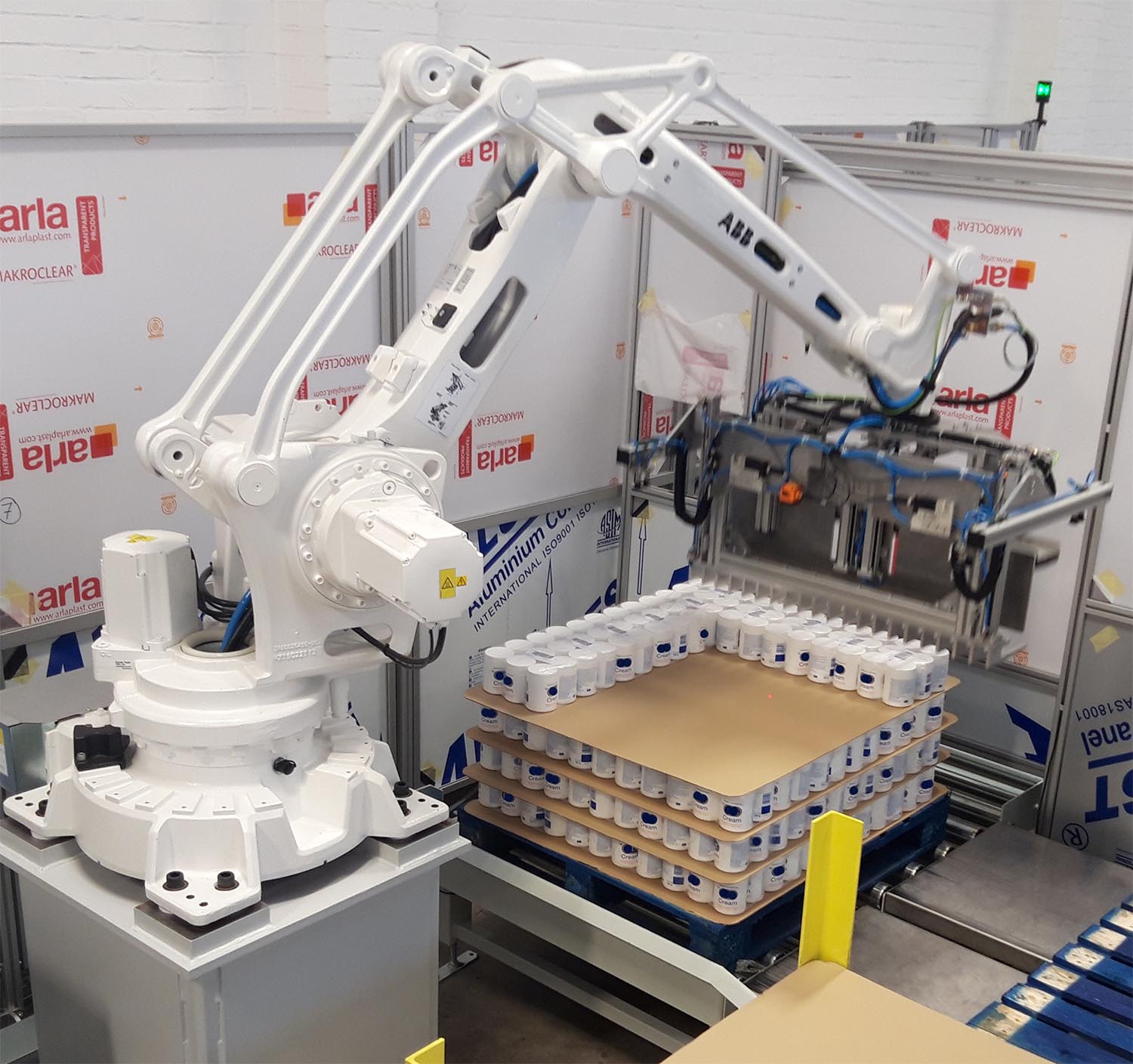
What are the Benefits of Robotic Machine Tending? For manufacturers seeking to improve productivity, reduce repetitive manual work and make better use of valuable machinery, robotic tending can provide a practical answer. A correctly designed system loads raw components into a machine, removes finished parts and can complete additional tasks such as cleaning, inspection or part marking. This allows production equipment to run more consistently while operators concentrate on work that requires human judgement and technical skill.
What are the Benefits of Robotic Machine Tending for Productivity?
One of the main advantages is the ability to keep machinery operating for longer periods with fewer interruptions. A robot can load and unload parts at a consistent rate without becoming tired or losing concentration. This reduces idle time between cycles and helps businesses gain more productive hours from CNC machines, presses, injection moulding machines and other equipment.
Depending on the available component storage and production process, robotic machine tending may also support unattended or “lights out” operation. Parts can be supplied through pallets, conveyors, trays or vision-guided random picking systems. Finished components can then be transferred to an outfeed area, another process or a storage location. This can extend production into evenings, nights or weekends without requiring a full manual shift.
What are the Benefits of Robotic Machine Tending for Quality?
Manual loading can create small variations in how components are positioned, particularly during long shifts or repetitive production runs. A robot follows the programmed movement and placement process consistently, helping each component enter the machine in the correct position and orientation.
This repeatability can reduce loading errors, damaged parts and rejected components. The robot may also carry out secondary operations between machining cycles, including deburring, washing, measuring or presenting the component to a vision inspection system. Combining these processes within one automated cell can create a more controlled production method and reduce unnecessary handling.
Consistent cycle times also make production easier to monitor. Manufacturers can gain a clearer understanding of expected output, identify delays and plan orders using more reliable performance data.
Safer Handling of Repetitive or Difficult Components
Machine loading may require workers to handle sharp, hot, oily, heavy or awkwardly shaped parts. Repeating these movements throughout a shift can contribute to fatigue and increase the risk of strains, trapped fingers or other injuries. Guidance from the Health and Safety Executive on work equipment and machinery highlights the need for suitable safeguards, controls and risk management around industrial equipment.
A robotic system can separate employees from many of these hazards by carrying out the loading and unloading process within a properly guarded and safety-integrated cell. Operators still have an essential role, but their time can be redirected towards supervision, quality checks, maintenance, programming and process improvement rather than continuous manual handling.
What are the Benefits of Robotic Machine Tending for Labour Use?
Robotic machine tending is not simply about replacing people. It can help manufacturers use experienced employees more effectively, particularly where recruitment is difficult or skilled team members are spending large parts of their day on repetitive tasks.
By automating routine loading, businesses can assign operators to several machines, depending on the layout and process. Employees may oversee production, replenish component supplies, inspect finished work and respond to issues as required. This can improve job variety while allowing the company to increase output without relying entirely on additional manual loading staff.
Industry organisations such as the British Automation & Robot Association provide information about robotics and automation within UK manufacturing, including the ways robotic systems can support productivity and competitiveness.
What are the Benefits of Robotic Machine Tending for Flexible Production?
Modern robotic cells can be designed for different component sizes, machine types and production volumes. Quick-change grippers, adjustable fixtures and stored robot programmes can allow a system to move between products without requiring a completely new installation.
This flexibility is useful for manufacturers handling a varied product range or smaller batch quantities. Vision systems can identify randomly positioned components, while pallet-based systems can provide simple and predictable loading for pre-fixtured parts. Automated mobile robots may also transport prepared trays between several machines, creating a connected production process without making each tending cell unnecessarily complicated.
The right approach depends on cycle time, component presentation, available floor space, machine interfaces and the required level of unattended running. A detailed assessment helps determine whether a standard cell, collaborative robot or fully customised industrial robot system is most suitable.
Planning a Reliable Machine Tending System
A successful installation must consider more than the robot itself. Gripper design, guarding, controls, component storage, machine communication and access for maintenance all affect reliability. The system should also be designed around realistic production targets and a clear payback period.
Premier Automation designs and builds new robotic systems, integrates used robots and upgrades existing automation to meet individual process requirements. From its facility in Bedford, the engineering team can assess machine interfaces, develop suitable tooling and provide robot and PLC programming, installation, commissioning and support.
Frequently Asked Questions
Which machines can a robot load and unload?
Robots can tend many types of equipment, including CNC lathes, milling machines, presses, injection moulding machines and specialist production machinery. Suitability depends on the component, cycle and machine interface.
Can robotic tending work with different products?
Yes. Systems can use interchangeable grippers, adjustable fixtures, vision technology and stored programmes to handle different parts, although the required changeover process should be assessed during design.
Is robotic machine tending suitable for smaller manufacturers?
It can be. Standardised cells and collaborative robots may offer a cost-effective route for businesses with limited space, smaller batches or high-mix production.
Can an existing machine be automated?
Many existing machines can be integrated with a robot. The controls, safety arrangements, access points and loading process should first be reviewed through a site assessment.
For manufacturers considering a new tending cell or an upgrade to existing equipment, Premier Automation can provide honest advice and develop a solution that reflects the technical requirements, production goals and commercial criteria of the project.