What is PLC Programming? It is the process of creating the instructions that tell a programmable logic controller (PLC) how to operate machinery, equipment or a production process. A PLC is a rugged industrial computer: it receives information from sensors and switches, makes decisions using its programmed logic, and sends commands to motors, valves, conveyors, robots and alarms. For a business investing in automation, effective programming is what turns well-chosen hardware into a dependable, productive system.
What is PLC Programming? and why does it matter?
PLC programming defines how a machine should behave in normal operation and when something changes. For example, a packaging line may need to detect an incoming product, position it correctly, apply a label, reject a faulty item and count completed packs. The PLC coordinates each step at high speed while checking that guards, emergency stops and other safety conditions permit the cycle to continue.
Unlike an office computer, a PLC is built for industrial environments where vibration, electrical noise, temperature changes and continuous use are common. Its program runs repeatedly, scanning inputs, processing logic and updating outputs in a predictable cycle. This dependable behaviour makes PLCs suitable for applications such as machine tending, palletising, welding cells, process lines and special-purpose machinery.
For customers, the value is practical: a properly programmed system can improve consistency, reduce manual handling, make production data easier to capture and simplify changeovers. It can also ensure that equipment reacts clearly to a stoppage or fault, helping operators resolve issues without unnecessary downtime.
How What is PLC Programming? works inside a machine
A programmer starts by understanding the required process rather than simply writing code. This includes the sequence of operations, the products being handled, expected production rates, operator controls, quality checks and the safe response to foreseeable faults. Sensors might confirm that a part is present, while a drive reports its speed and a robot signals that it has completed a movement. The PLC uses these signals to decide what happens next.
Common programming languages include ladder logic, function block diagram and structured text. Ladder logic is often favoured because its layout resembles traditional relay circuits and can be easier for maintenance teams to follow. Function blocks are useful for reusable functions such as timers, counters and motor control, while structured text can suit more complex calculations or data handling. The best choice depends on the application and the people who will support it.
A well-designed program does more than run the ideal cycle. It includes start-up checks, manual and automatic modes, clear alarm messages, controlled stopping and recovery routines. A less-obvious but valuable feature is retaining enough status information to restart safely after a brief interruption without sending equipment into an unexpected sequence. That requires careful definition of what can resume automatically and what must be confirmed by an operator.
Benefits of understanding What is PLC Programming?
Knowing What is PLC Programming? helps buyers ask better questions before approving an automation project. Rather than focusing solely on the PLC brand or the number of inputs and outputs, consider how the control system will handle future products, recipe settings, traceability, operator access and remote support. These details influence the long-term usefulness of the installation far more than a basic demonstration of machine movement.
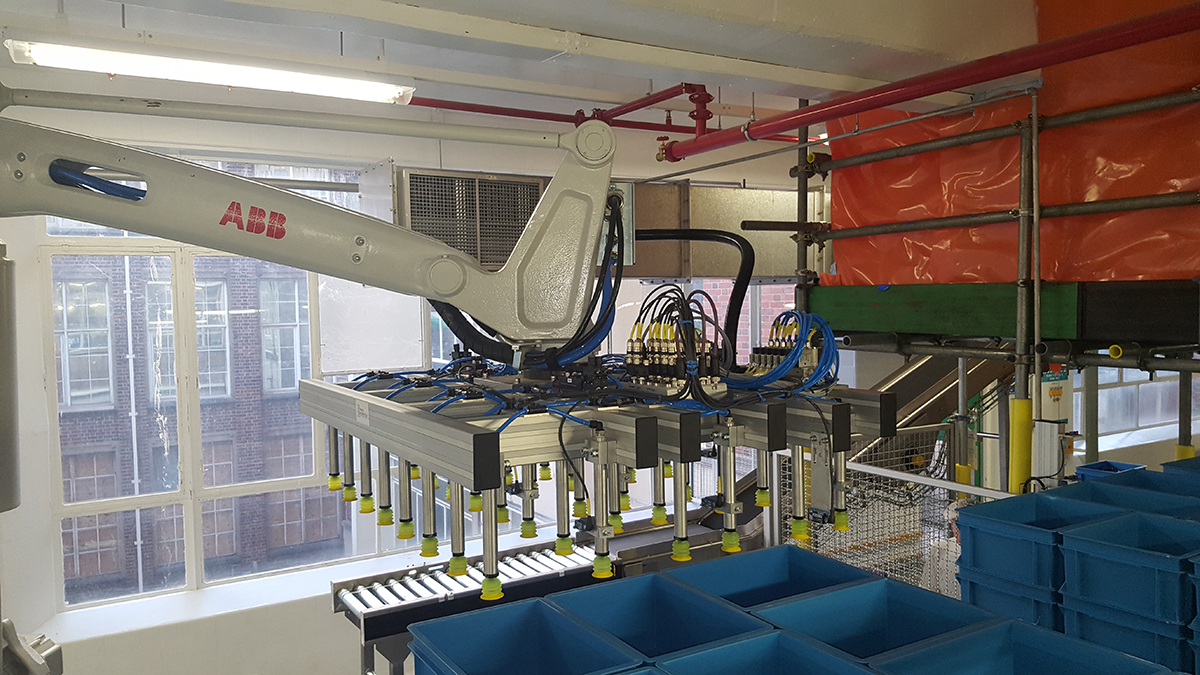
It is also sensible to discuss integration early. A PLC may need to exchange data with a robot controller, vision system, barcode reader, variable-speed drive or factory software. Clear interface planning prevents signals being duplicated, misunderstood or omitted. For a robot cell, the PLC and robot program must agree on permissions, cycle-complete signals and fault states so that both systems remain coordinated.
Programming should be documented in a way that supports your team after commissioning. Useful handover information can include electrical drawings, input and output lists, alarm descriptions, operating instructions, backup copies of the program and a record of software versions. This makes later modifications, troubleshooting and relocation much more manageable.
Safety, testing and lifecycle support
Control programming is closely connected to machinery safety, but ordinary PLC logic is not automatically a safety function. Safety-related stopping, guarding and access functions may require dedicated safety components and an appropriate safety design. The HSE’s machinery safety guidance explains duties under the Provision and Use of Work Equipment Regulations 1998 (PUWER), including the requirement for work equipment to be suitable, maintained and inspected where necessary. A risk assessment should guide the control strategy before build and commissioning.
Testing should cover normal production as well as realistic exceptions: missing parts, sensor failures, blocked conveyors, loss of air, power recovery and operator intervention. Factory acceptance testing can identify issues before equipment reaches site, while site commissioning confirms that the system works with the real utilities, materials and working practices. Operators should be involved in this process, as their experience often exposes unclear messages or impractical recovery steps.
PLCs can support equipment for many years, but software and electrical components eventually need review. Planned upgrades can address obsolete hardware, expand capacity or improve diagnostics without replacing an entire machine. Keeping controlled backups and recording changes are straightforward safeguards that can reduce the risk and cost of future work.
Frequently Asked Questions
What is PLC Programming? in simple terms?
It is writing the rules that allow an industrial controller to read conditions, make decisions and operate machinery automatically. The program determines the sequence, timing, checks and fault responses for the equipment.
Can an existing machine be upgraded with a new PLC program?
Often, yes. An upgrade may involve replacing an ageing controller, improving the electrical design, adding diagnostics or integrating new sensors and drives. A survey is needed first to assess the machine’s condition, safety requirements and the availability of existing drawings and software.
How long does PLC programming take?
Timescales vary with the machine’s complexity, the number of interfaces and the testing required. A small standalone station may be relatively quick, while a robotic production line with vision, safety systems and multiple product formats requires more detailed design and commissioning.
Do operators need programming knowledge?
No. Operators need clear controls, training and understandable fault guidance. The program should make routine operation straightforward while restricting changes that could affect safety, quality or equipment performance.
Whether you are specifying a new robot cell, improving a process line or modernising a legacy machine, Premier Automation can provide practical PLC and robot programming as part of a complete design, build, installation and support service from Bedford. A conversation about your process and production goals is a useful first step towards a control system that is safe, maintainable and ready to grow.