
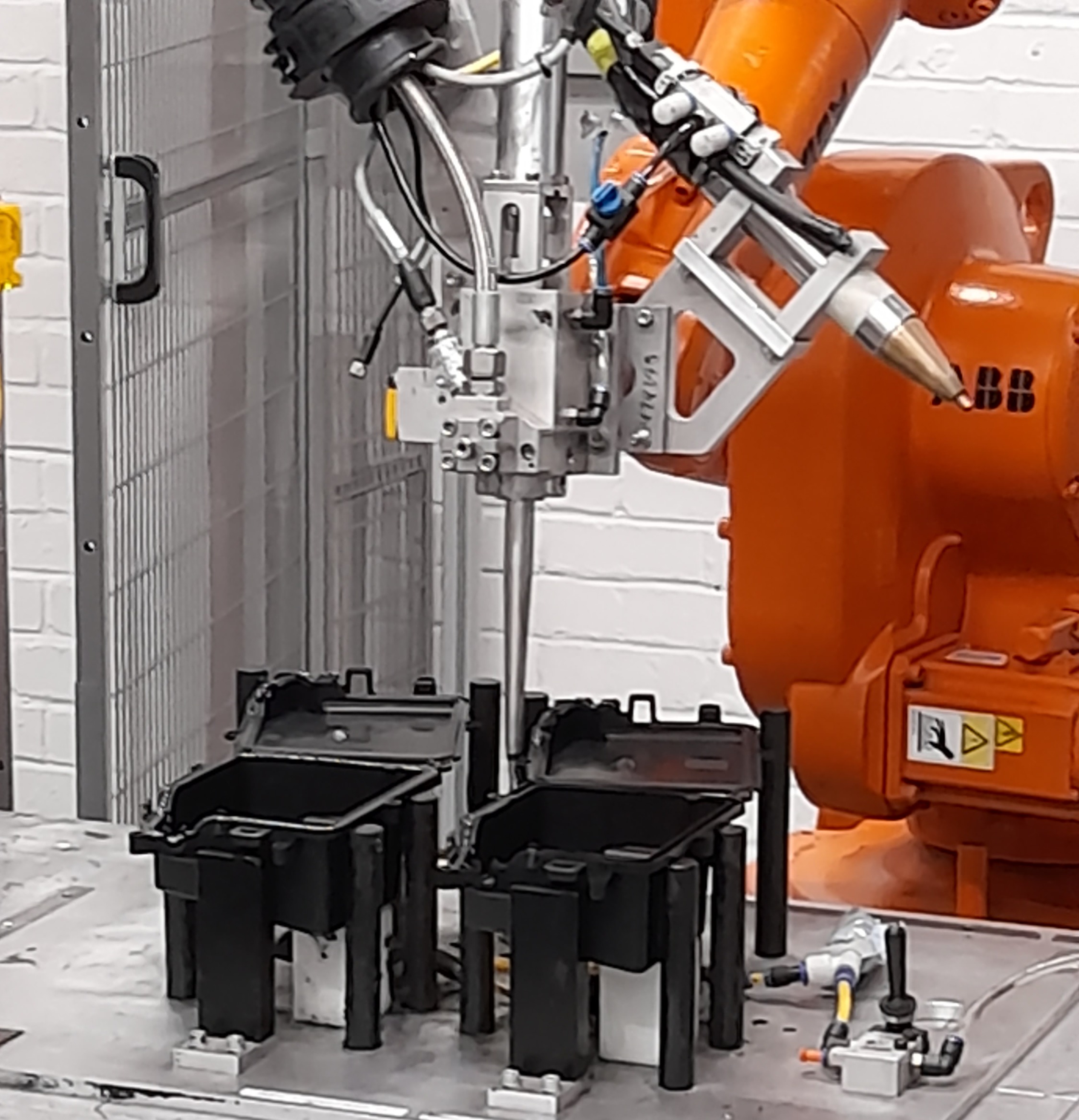
How can Robot Automation reduce Production Costs? By taking repetitive, time-sensitive and physically demanding tasks away from manual processes, a well-designed system can help a business make more consistent products with less waste, downtime and rework. The strongest savings do not usually come from simply replacing a person with a machine. They come from improving the whole production flow: how materials arrive, how parts are handled, how quality is checked and how finished goods leave the line.
For manufacturers facing variable labour availability, rising input costs or demanding delivery schedules, automation creates a more predictable operation. Robots can run repeatable cycles, retain programmed settings and work alongside people in layouts designed around the real bottleneck. The result is a clearer route to lower unit costs without compromising product quality or workplace safety.
How can Robot Automation reduce Production Costs? Through steadier output
Manual work can be highly skilled, but speed and consistency naturally vary between shifts, operators and long production runs. Robots repeat an approved movement at the same pace, helping to stabilise cycle times for tasks such as machine tending, palletising, welding and dispensing. Predictable output makes it easier to plan staffing, material supply and dispatch, while reducing the expense of missed production targets.
Higher utilisation is often more valuable than headline speed. A robot can keep a CNC machine supplied with parts while an operator handles inspection, tool changes and exceptions. Instead of paying for an expensive machine to sit idle between manual loading cycles, the business gets more productive time from equipment it already owns. Carefully engineered grippers, part presentation and safety arrangements are central to achieving that gain reliably.
How can Robot Automation reduce Production Costs? It also enables manufacturers to move employees from repetitive handling into work that needs judgement, problem-solving and customer awareness. This can improve labour productivity without assuming that people are no longer needed. The best projects define clear roles for operators, maintenance teams and supervisors from the outset.
How can Robot Automation reduce Production Costs? By reducing waste and rework
Material waste can quietly erode margins. In welding, gluing and gasket dispensing, for example, a programmed path and controlled application can reduce variation caused by fatigue or inconsistent technique. Accurate placement also helps prevent rejects that consume raw material, energy and inspection time. For palletising, stable and repeatable stacking can cut product damage during storage and transport.
Quality benefits are strongest when the robot is integrated with the process rather than added as an isolated station. Sensors, vision checks, barcode data or PLC interlocks can confirm that the right component is present before a cycle begins. Capturing fault reasons gives managers useful evidence: are problems caused by incoming parts, fixture wear, programme settings or upstream handling? That information supports practical improvements rather than repeated sorting and reworking.
Used robots can also be a sensible route where budgets are constrained, provided that their condition, controls, safeguarding and suitability for the intended process are fully assessed. Re-engineering an existing cell may deliver much of the benefit of a new installation while avoiding unnecessary capital expenditure. The right option depends on throughput, required precision, product life and support needs.
How can Robot Automation reduce Production Costs? With practical deployment planning
The lowest-cost automation project is not necessarily the one with the lowest purchase price. A cell that is difficult to change over, poorly matched to product variation or hard to maintain can create new delays. Begin by measuring the current process: cycle time, stoppage reasons, reject rates, manual handling steps, changeover frequency and demand patterns. These baseline figures allow expected savings to be tested after commissioning.
Safety planning belongs at the beginning, not at handover. The HSE machinery safety guidance covering the Provision and Use of Work Equipment Regulations 1998 (PUWER) explains employers’ duties to ensure work equipment is suitable, maintained and used by properly trained people. Risk assessment should address guarding, emergency stops, access for maintenance, safe recovery after a stoppage and the limits of collaborative operation. A cobot is not automatically safe in every application; its tool, payload, speed and surrounding equipment all matter.
Build flexibility into the specification where product mixes are likely to change. Quick-change tooling, accessible recipe selection and allowance for future fixtures may cost a little more initially but can protect the investment. Training is equally important: operators should know normal running and safe escalation routes, while nominated staff need the confidence to perform agreed first-line checks before a minor stop becomes extended downtime.
Where the savings appear over time
Automation can reduce direct labour pressure, but a realistic business case should include broader effects. Savings may arise from fewer rejected parts, reduced overtime, better machine utilisation, less packaging damage, lower consumable use and improved delivery reliability. There may also be costs for tooling, guarding, floor preparation, servicing, spares, energy and training. Reviewing total cost of ownership gives a more useful decision than comparing quotations alone.
How can Robot Automation reduce Production Costs? The answer is clearest when a project targets a defined constraint and tracks results against a baseline. Pilot a high-volume, repetitive task where the current process has visible delays or quality losses. Once the cell is stable, its data and operating experience can inform the next stage of automation with considerably less risk.
Frequently Asked Questions
Is robot automation only suitable for large factories?
No. Smaller manufacturers can benefit from a focused cell that removes a specific bottleneck, such as loading a machine or stacking finished products. The scale should reflect the task, available space and expected production volume.
Will a robot system require a long production shutdown?
Not always. Good planning can allow much of the design, build and programming work to happen off-line. Installation and commissioning still need a controlled window, but phased integration can limit disruption.
Can robots handle more than one product type?
Yes, if the system is designed for it. Suitable grippers, fixtures, programmes and changeover procedures can support product families, although very wide variation may reduce cycle-time advantages.
How do I know whether a cobot is appropriate?
A collaborative robot may suit tasks requiring shared workspace or frequent interaction, but it needs a full risk assessment. Conventional industrial robots with guarding may be the more productive and appropriate choice for faster or heavier processes.
For a clearer view of How can Robot Automation reduce Production Costs? in your own operation, Premier Automation can assess the process and provide robot integration, control-system design, upgrades, installation, commissioning and ongoing support tailored to your production goals.