Choosing an Automation Company In London is about more than purchasing a robot. It is about creating a dependable process that tackles a genuine production challenge, whether that is repetitive handling, inconsistent output, restricted capacity or difficult-to-fill roles. For businesses across London and the surrounding regions, the right system can improve throughput while giving teams more time for skilled, value-adding work.
Premier Automation designs, builds and supports robot-based automation and control systems for manufacturers of varied sizes. Operating from a substantial facility in Bedford, the team can support projects nationally, from an initial review of a production issue through to installation, commissioning and ongoing service.
Why an Automation Company In London Can Add Practical Value
Automation should solve a clearly defined problem rather than add technology for its own sake. A well-scoped robotic cell can keep a machine supplied with parts, stack finished products consistently, apply adhesive accurately or complete repeatable welds with less variation. The result may be higher output, improved product quality, reduced manual handling and a more predictable shift pattern.
Local accessibility also matters. A supplier able to understand site constraints, discuss priorities with your operators and plan around production commitments is better placed to deliver a workable outcome. This includes considering floor space, access routes, existing equipment, utilities, material presentation and how products will move into and out of the automated area.
Applications That Can Benefit from Robotic Systems
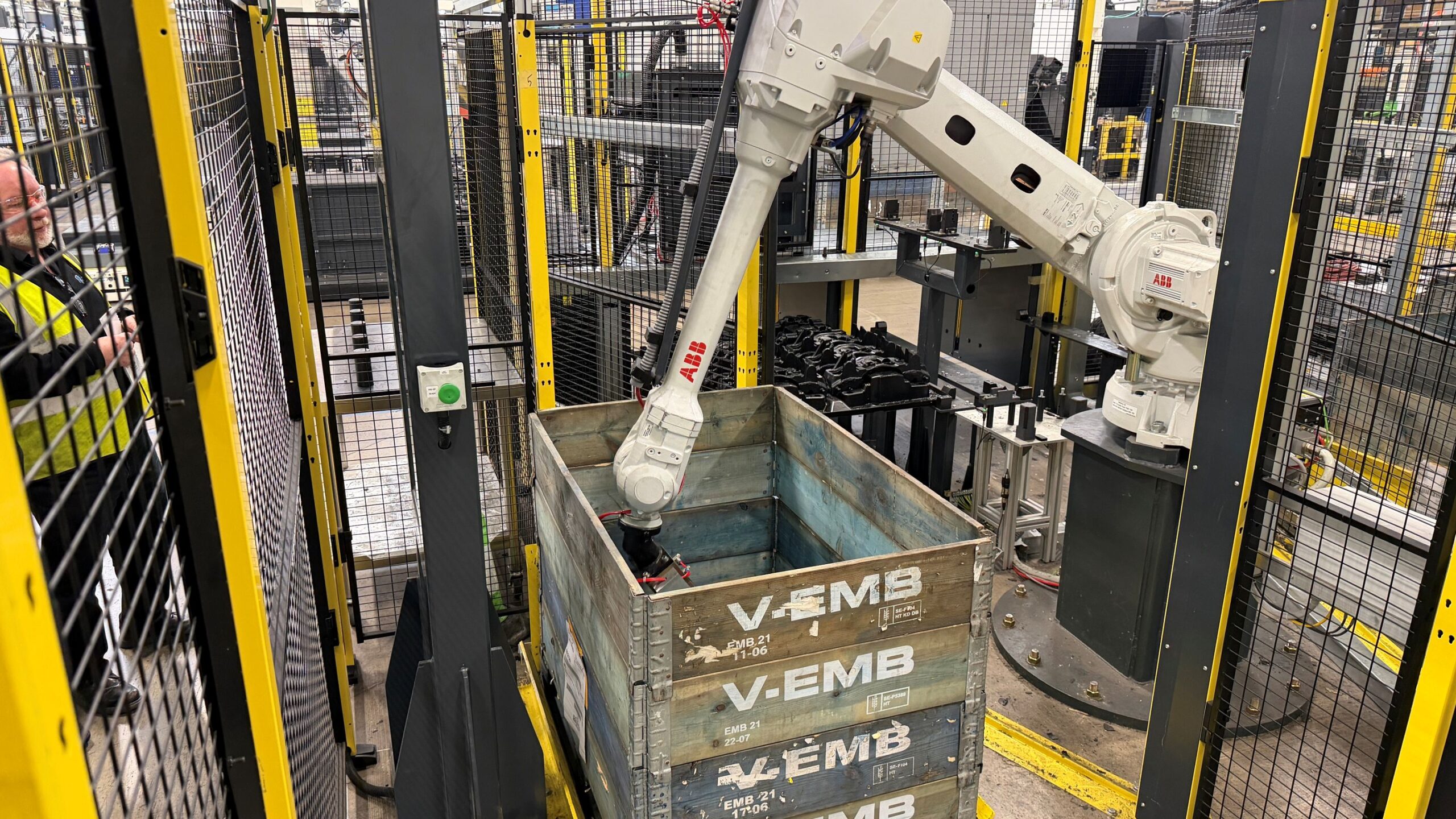
Machine tending is a common starting point, particularly where an operator repeatedly loads and unloads CNC machines, presses or other production equipment. A robot can take on the repetitive cycle while an employee supervises several operations, carries out quality checks or manages more complex tasks. Palletising is another strong candidate, especially for businesses handling regular cases, bags or trays at the end of a line.
Other applications include welding, gluing and gasket dispensing, component assembly and special-purpose machinery. Collaborative robots, often called cobots, may suit lower-volume or flexible processes where space is limited and people need to work near the equipment. The best choice depends on payload, reach, cycle time, part variation and the level of guarding or safety control required.
Planning a Project with an Automation Company In London
A productive project begins with evidence. Before specifying equipment, record current cycle times, output targets, stoppages, scrap levels and the number of product variants. Photographs, drawings and sample parts can help identify practical risks early. It is particularly useful to measure how consistently parts arrive at the work area; a robot can only work reliably if components are presented in a repeatable way.
System design should account for future needs as well as the immediate task. For example, a palletising cell may need room for a second pallet position, new case sizes or a different conveyor arrangement later. Control systems should be clear enough for authorised staff to operate safely, diagnose simple faults and change approved recipes without creating unnecessary downtime.
Premier Automation can design and manufacture controls for robotic cells, process lines and special-purpose machinery, alongside PLC and robot programming. Its capabilities also cover new systems, integration and re-engineering of used robots, upgrades and relocations. This breadth can be valuable where a business wants to retain sound existing assets rather than replace an entire line.
Safety, Compliance and Everyday Usability
Safety needs to be designed into the system from the outset, not added after installation. The HSE guidance on work equipment and machinery highlights duties under the Provision and Use of Work Equipment Regulations 1998 (PUWER), including ensuring work equipment is suitable, maintained and used by appropriately trained people. In an automated cell, this translates into a suitable risk assessment, safeguarding, emergency stops, safe access for maintenance and clear operating procedures.
Usability is equally significant. Operators should understand normal start-up, planned stops, fault recovery boundaries and when to call for support. Good system handover includes training, accessible documentation and a sensible plan for spares and servicing. These details are less visible than the robot itself, yet they often determine whether the investment delivers reliable performance over years of operation.
Frequently Asked Questions
What does an Automation Company In London assess first?
A reputable provider will normally start with the task, product and current process. They will examine cycle time, part handling, quality requirements, available space, safety needs and the interfaces with existing machinery. This assessment helps establish whether a standard approach is suitable or a custom cell is needed.
Is automation only suitable for high-volume production?
No. Although high-volume repetitive work can provide a clear return, flexible systems can also support lower-volume manufacturing. Cobots, quick-change tooling, recipe-driven controls and carefully designed fixtures can help businesses accommodate product variation without extensive manual set-up.
Can an Automation Company In London upgrade an existing robot?
Often, yes. Older robotic equipment may benefit from new controls, revised guarding, improved tooling, updated programming or relocation to a more suitable part of the factory. A review of the robot’s condition, safety requirements and parts availability will determine whether an upgrade is commercially sensible.
How long does a robotic automation project take?
Timescales vary with complexity, equipment lead times, testing requirements and site preparation. A straightforward cell may progress faster than a multi-station process line. Early agreement on acceptance criteria, product samples and installation windows helps avoid delays and makes commissioning easier to plan.
Why involve an Automation Company In London before buying equipment?
Early involvement helps prevent costly mismatches between a robot, the product and the production environment. It also allows guarding, controls, operator access and future expansion to be considered as one complete solution, rather than as separate additions after purchase.
If you are exploring a robotic cell, control upgrade or production-line improvement, speak with Premier Automation about a practical automation solution shaped around your process, site and long-term operational goals.