Industrial Automation Companies In The UK help manufacturers improve consistency, capacity and workplace safety through well-planned robotic and control solutions. The right partner should understand the pressures on your production floor, from repetitive manual handling and variable cycle times to limited space, changing product formats and the need to keep existing equipment running.
Why Industrial Automation Companies In The UK Matter to Manufacturers
Automation is not solely for large factories with high-volume production. A carefully specified cell can make a measurable difference in businesses that need to reduce bottlenecks, maintain quality or make difficult jobs easier to staff. Robot-based systems can perform repeatable tasks accurately across long shifts, while operators move into roles involving inspection, loading, oversight and process improvement.
A worthwhile project starts with a clear production objective. This may be faster machine loading, safer pallet handling, a more consistent weld, reliable adhesive application or the ability to run a wider product mix. Rather than buying a robot first, define the task, target output, materials, available footprint and how people will interact with the system. These details shape the design and help establish a realistic return on investment.
Automation Applications That Deliver Practical Value
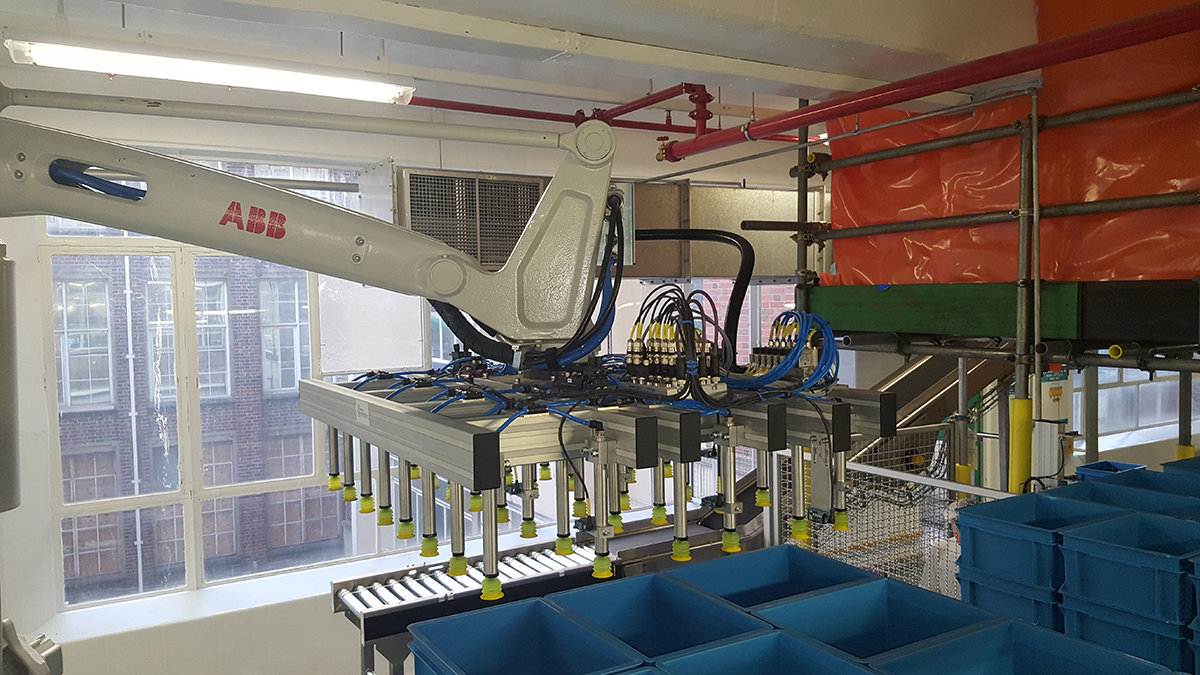
Machine tending is a common starting point. A robot can load and unload CNC machines, presses or test equipment, reducing idle time between cycles and supporting more predictable output. Palletising can remove strenuous, repetitive lifting and build stable loads to an agreed pattern. Welding robots can deliver repeatable paths, while dispensing systems improve control of glues, sealants and gaskets where placement and quantity affect product quality.
Collaborative robots, often called cobots, may suit lower-force tasks or workplaces where people and automation need to share an area. They are not automatically safe without further work: the tooling, workpiece, speeds, pinch points and overall application all require assessment. A proper solution considers guarding, sensors, access, part presentation, changeovers and recovery from faults, not just the robot arm.
Planning with Industrial Automation Companies In The UK
Ask prospective suppliers to explain the full route from concept to production. A robust scope normally covers site survey, risk assessment, mechanical and electrical design, controls architecture, build, testing, installation, commissioning, training and after-sales support. It should also identify responsibilities for utilities, foundations, network access, material supply and acceptance criteria before work begins.
Integration capability is especially valuable where a new cell must communicate with existing machinery. PLC programming, robot programming, safety circuits, conveyors, vision equipment and operator interfaces need to work as one system. Customers should ask how production data, fault messages and recipes will be handled, and whether future product variants can be accommodated without an extensive rebuild.
Based in Bedford, Premier Automation designs and builds robot systems and control systems for special-purpose machinery and process lines. Its services include new installations, used-robot integration and re-engineering, upgrades, relocation, programming, commissioning and ongoing support. This breadth can be useful for businesses that need a phased improvement rather than a single standalone purchase.
Safety, Compliance and Reliable Commissioning
Safety must be designed into the cell from the outset. The HSE’s machinery safety guidance highlights duties under the Provision and Use of Work Equipment Regulations 1998 (PUWER), including that work equipment is suitable, maintained and used by appropriately trained people. In practice, this means considering foreseeable use, access for maintenance, emergency stopping, isolation and safe fault recovery as part of the project, rather than after installation.
Factory acceptance testing before delivery can reduce risk and disruption. It allows the customer to review cycle operation, guarding, controls and agreed performance criteria in a controlled setting. Site acceptance testing then confirms that the system works correctly with real products, upstream equipment and operators. Clear training for users, setters and maintenance teams helps protect uptime after handover.
Choosing Industrial Automation Companies In The UK for Long-Term Support
Compare proposals on more than purchase price. Look for evidence of relevant applications, a transparent scope, realistic lead times and a plan for service after commissioning. Spare parts availability, remote diagnostic options, documentation and response arrangements can have a significant effect on lifetime value. It is also sensible to ask whether the supplier can support established control and robot platforms already used on site.
Partners such as Siemens and ABB can be relevant where platform familiarity, programming expertise and continuity matter. Premier Automation is a Siemens Solution Partner and holds ABB Value Provider status, combining those capabilities with experience in machine tending, palletising, welding, dispensing and collaborative robot applications. The best solution remains one that fits the actual process, workforce and growth plan.
Frequently Asked Questions
How long does an automation project take?
Timescales vary with complexity, equipment availability, testing requirements and site preparation. A defined scope and prompt decisions on products, layouts and interfaces help keep the project moving.
Can an existing robot be upgraded or relocated?
Often, yes. A review can establish whether the robot, controller, guarding and tooling remain suitable, and identify upgrades needed for the new task or location.
Will a robot work with small production batches?
It can. Flexible tooling, quick-change fixtures, recipe-driven controls and straightforward operator interfaces can make automation viable for a range of products, provided changeovers are properly planned.
Support from Industrial Automation Companies In The UK
The most successful projects pair a clear business need with practical engineering, safe operation and dependable support. If you are assessing a new robotic cell, improving an existing line or relocating equipment, Premier Automation can help scope, design, build and support a solution suited to your production requirements.