For organisations in London, choosing from Automation Companies In London means looking beyond a single robot or control panel. The right partner should understand your production pressures, available floor space, staffing needs and quality targets, then turn those requirements into a dependable system. Automation can help businesses handle repetitive work more consistently, increase output and give skilled employees more time for tasks that need judgement and experience.
Why Automation Companies In London Need a Practical Approach
Automation projects succeed when they solve a clear operational problem. That may be reducing manual lifting, keeping a machine supplied with parts, improving pallet stability, applying adhesive accurately or maintaining a more predictable weld. Before committing to equipment, define the current bottleneck, the variation in your products and the result you want to measure. Useful measures include cycle time, rejects, downtime, labour availability and the number of shifts required.
A capable partner among Automation Companies In London will also consider the work around the robot. Parts may arrive in different orientations, packaging may vary, and an operator may need straightforward access for changeovers. A system that performs well in a demonstration but is awkward to load, clean or maintain will not deliver its expected return. Site surveys and realistic sample trials help expose these issues early.
What Automation Companies In London Should Assess First
Start with the process rather than a preferred technology. Machine tending can suit repetitive loading and unloading tasks, while palletising is often valuable where finished products need safe, consistent stacking. Welding, gluing and gasket dispensing may benefit from repeatable robot paths, but each application needs suitable fixturing, safety measures and quality checks. Collaborative robots can be useful where people work nearby, although they still require a proper risk assessment for the complete installation.
Safety should be built into the specification, not added at the end. The HSE’s machinery safety guidance explains employers’ duties under the Provision and Use of Work Equipment Regulations 1998 (PUWER), including ensuring work equipment is suitable, maintained and used by properly trained people. Ask how guarding, interlocks, emergency stops, safe access and operator instructions will be addressed, including during setup, fault finding and maintenance.
Automation Companies In London and Complete Project Delivery
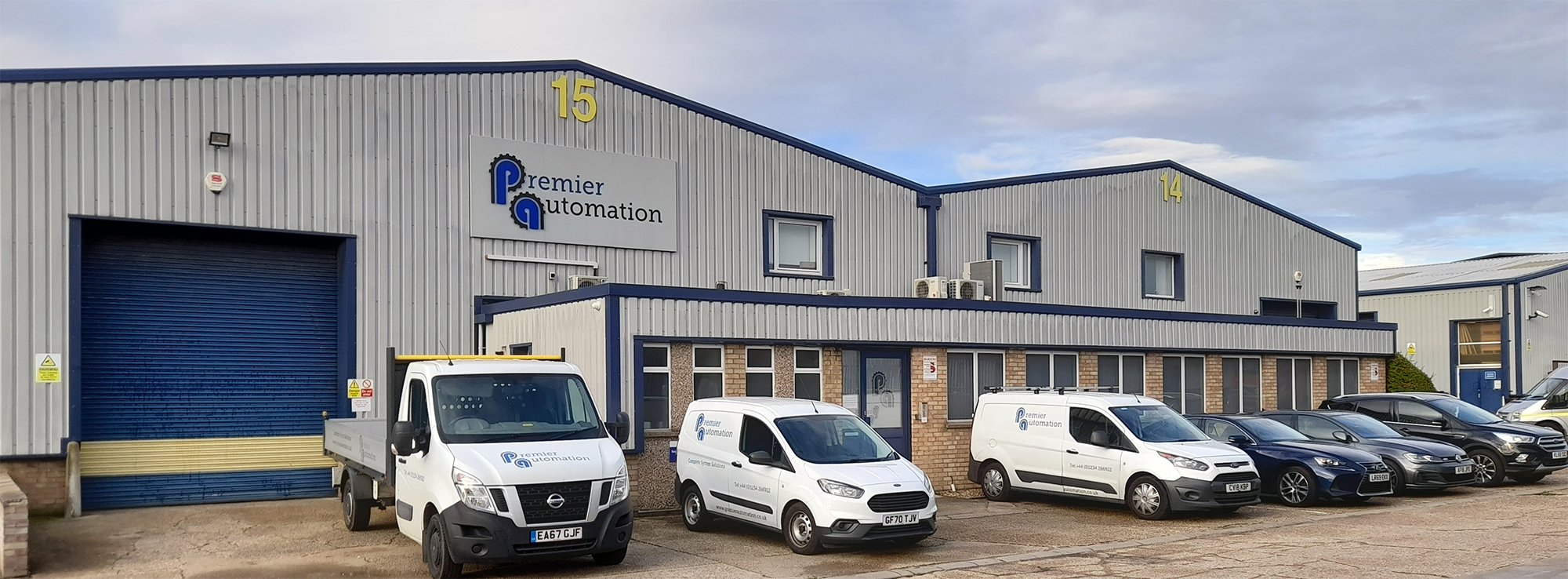
For many customers, one accountable supplier makes a complex project easier to manage. Premier Automation designs and builds robot-based automation and control systems, covering the journey from initial concept through installation and commissioning. Its capabilities include machine tending, palletising, welding, dispensing and cobot applications, alongside control systems for special-purpose machinery and process lines.
Integration is particularly valuable if you already have useful equipment on site. Existing machines may need communication with a new cell, revised guarding, updated PLC software or a better method of presenting parts. Premier Automation can also integrate and re-engineer used robots, which may be a sensible route where the application and condition of the equipment are suitable. The goal is a reliable, supportable production asset rather than a collection of disconnected components.
Planning the Budget, Programme and Long-Term Support
Compare whole-life value rather than simply the purchase price. A proposal should make clear what is included: mechanical design, electrical controls, robot and PLC programming, safety equipment, factory testing, installation, training and documentation. It should also explain assumptions, such as the quality of supplied parts, utilities, network access and any building works. Clear scope reduces the risk of late changes that affect cost and delivery dates.
Rather than comparing Automation Companies In London solely by headline price, ask how the system will be supported after handover. Operators need practical training, and maintenance teams need access to drawings, software backups and spare-parts information. Consider future product sizes, likely production changes and whether the cell can be upgraded or relocated. Planned servicing and responsive technical help protect availability long after commissioning.
Frequently Asked Questions
How do I know whether my process is suitable for automation?
Processes with repeated movements, measurable delays, manual handling concerns or inconsistent quality are good starting points. A site review can establish whether the parts, cycle time and available space are suitable, and whether simple improvements should happen before automation.
Can automation work with existing machinery?
Yes. A robot cell can often be integrated with existing CNC machines, conveyors, process equipment and safety systems. The condition, controls and interfaces of the existing equipment should be assessed early so that any required upgrades are included in the plan.
Are collaborative robots always safe without guarding?
No. Cobots are designed for collaborative applications, but safety depends on the specific tool, payload, speed, workspace and task. A risk assessment determines whether protective measures such as reduced speed, scanners, safe zones or guarding are required.
How long does an automation project take?
Timescales vary with the complexity of the process, equipment availability, site preparation and testing requirements. Early agreement on samples, acceptance criteria and responsibilities helps keep the programme realistic and avoids unnecessary delays during installation.
If you are exploring a new robot cell, a control-system upgrade or an improvement to an existing line, Premier Automation can help you assess the process and develop a practical automation solution suited to your operation.