For manufacturers aiming to improve output, consistency and safety, choosing an Automation Company In Bedford is a decision that affects far more than one production cell. From its facility in Bedford, Premier Automation helps businesses specify, build and support robot-based automation and control systems that suit real production requirements. The focus is on dependable equipment, straightforward operation and a solution that can continue to deliver as demand changes.
What an Automation Company In Bedford Can Deliver
Automation can solve repetitive, physically demanding or highly variable tasks without forcing a business into a one-size-fits-all system. A well-designed installation may load and unload machine tools, stack and wrap products, weld assemblies, apply glue or gasket material, or transfer parts between stations. Each application starts with the product, process, cycle time, available floor space and the people who will use the equipment.
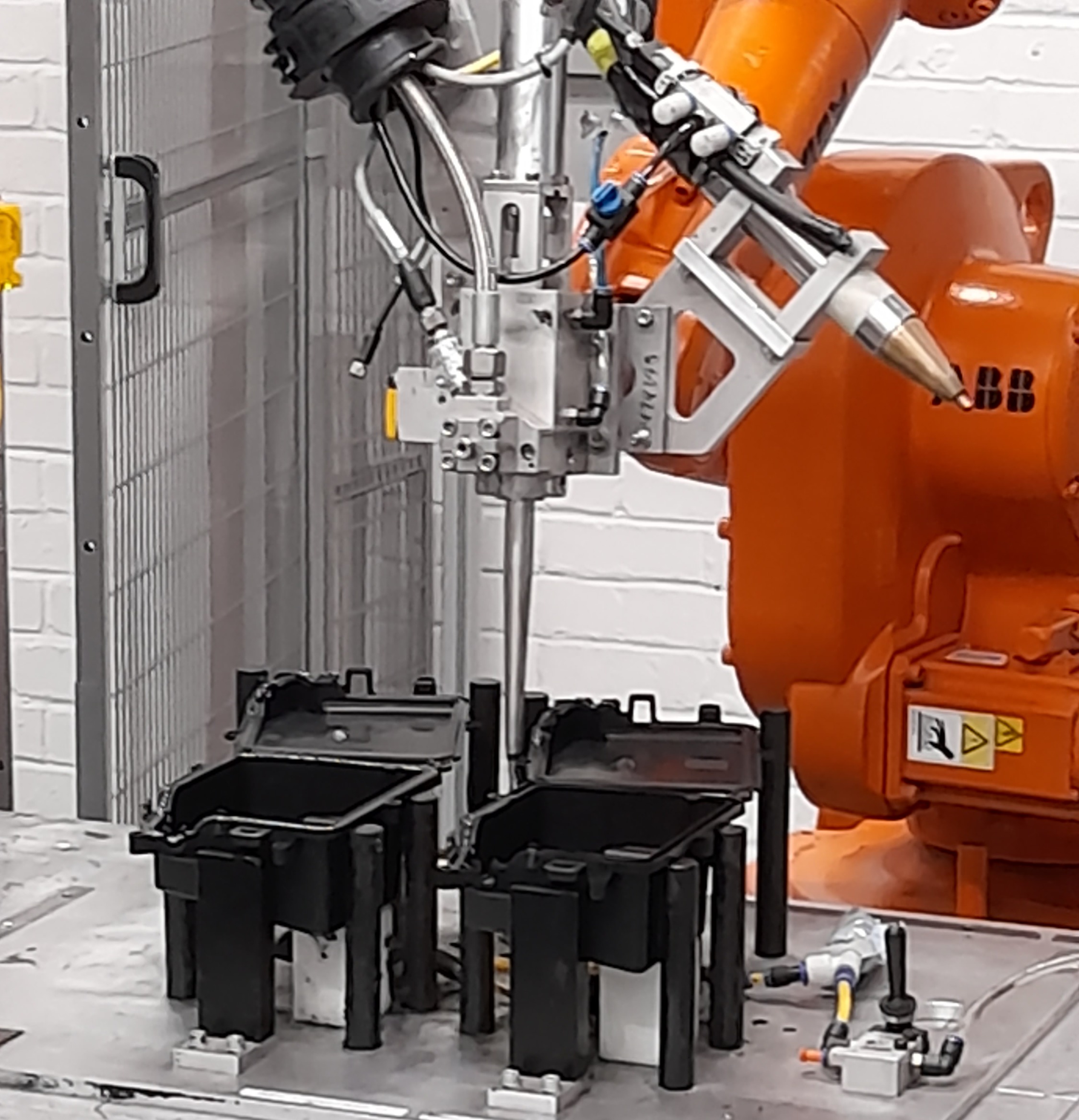
Premier Automation designs and builds new robot systems, while also integrating and re-engineering used robots where that is the better commercial route. This gives customers practical options: a fully new installation for a complex process, or a carefully assessed refurbished robot for a proven, lower-cost task. Control systems can also be designed for special-purpose machinery and process lines, not just robotic cells.
The right solution should address the whole workflow rather than simply add a robot. For example, a palletising cell needs suitable infeed presentation, gripper selection, pallet handling, guarding and a method for dealing with different box sizes. Similarly, machine tending needs reliable part location and a sensible plan for tool changes, scrap and periods when the machine needs attention. Considering these details early prevents costly alterations after installation.
Choosing an Automation Company In Bedford for Your Process
Start by identifying the measurable problem. It may be inconsistent cycle times, a shortage of skilled labour on a particular shift, operator exposure to heat or fumes, or a bottleneck preventing a machine from reaching its planned output. Sharing sample parts, drawings, production volumes and known process difficulties enables a supplier to recommend the right level of automation rather than unnecessarily complex equipment.
Ask how the system will be controlled, maintained and supported after commissioning. PLC and robot programming should be clear enough for authorised staff to understand routine status messages and recovery steps. It is also worth discussing recipe changes, product changeovers, spare parts and remote or on-site support before the project begins. These points shape day-to-day ownership just as much as the robot model does.
Safety needs to be designed into the proposal, not added at the end. The HSE’s guidance on work equipment and machinery safety explains employers’ duties under the Provision and Use of Work Equipment Regulations 1998 (PUWER), including making sure equipment is suitable, maintained and used by trained people. For robotic equipment, the risk assessment should consider access during normal running, setting, cleaning, fault finding and maintenance, as well as the safeguards used to control each risk.
Planning a Successful Automation Company In Bedford Project
A productive project begins with a site survey and a clear brief. The available footprint, ceiling height, power supply, compressed air, network connection and material flow all influence the layout. Less obvious constraints can matter too: the orientation of incoming parts, how often stillages are changed, whether packaging varies between suppliers, and the space needed for safe access to guards and electrical panels.
Factory acceptance testing is another useful stage to discuss. Testing the controls, robot movements and representative parts before delivery can reduce disruption on site and gives customers an opportunity to review operation before final installation. It is especially valuable where a process requires accurate dispensing paths, weld quality checks or several linked machines. Site commissioning can then focus on integrating the system safely into live production and training the people who will operate it.
Collaborative robots, often called cobots, can be a practical choice for lower-volume or flexible tasks, but they are not automatically safe simply because they work near people. Tooling, payload, speed, sharp edges and the product itself all affect the risk assessment. A collaborative application may need force limiting, speed and separation monitoring, or physical guarding, depending on the task. This is why an Automation Company In Bedford should assess the complete application rather than select a cobot based on reach alone.
Support, Upgrades and Relocation That Protect Your Investment
Production requirements rarely remain fixed. An existing automation cell may need new programming for a revised component, an updated control panel, replacement of obsolete hardware or a move to another area of the factory. Planning for access, documentation and maintainable components from the outset makes these changes more manageable. It can also extend the useful life of equipment that still has a sound mechanical base.
Premier Automation provides installation, commissioning, upgrades, relocation and after-sales support alongside system design and manufacture. As a Siemens Solution Partner and ABB Value Provider, the business can support customers needing robot and PLC expertise across a wide range of production challenges. That breadth is useful for businesses that need one accountable partner from the first concept through to ongoing improvements.
Before approving a project, request a proposal that distinguishes between essential scope and optional enhancements. Training, documentation, safety validation, installation responsibilities and acceptance criteria should be understood by both parties. A staged approach can also work well: automate the most repetitive operation first, then use the resulting production data to plan the next cell or process-line improvement.
Frequently Asked Questions
What types of task can be automated?
Common applications include machine tending, palletising, welding, gluing, gasket dispensing, inspection support and the handling of products between manufacturing stages. Suitability depends on the consistency of the process, part presentation and the required output.
Can an existing robot be upgraded rather than replaced?
Often, yes. A robot may be re-engineered with updated controls, safety equipment, programming or tooling. A review of its condition, availability of parts and the intended task will establish whether an upgrade is sensible.
How long does an automation project take?
Timescales vary with the complexity of the cell, equipment lead times, testing needs and site preparation. A defined brief, early access to parts and prompt decisions on layouts and safety requirements help keep the programme on track.
What should we prepare before requesting a quotation?
Provide product drawings or samples, expected volumes, cycle-time targets, photographs of the work area and details of current process issues. This information helps an Automation Company In Bedford create a proposal that reflects your operation accurately.
If you are exploring a new robot cell, a controls upgrade or a more reliable way to handle a repetitive task, speak with Premier Automation about a solution tailored to your production process and future plans.