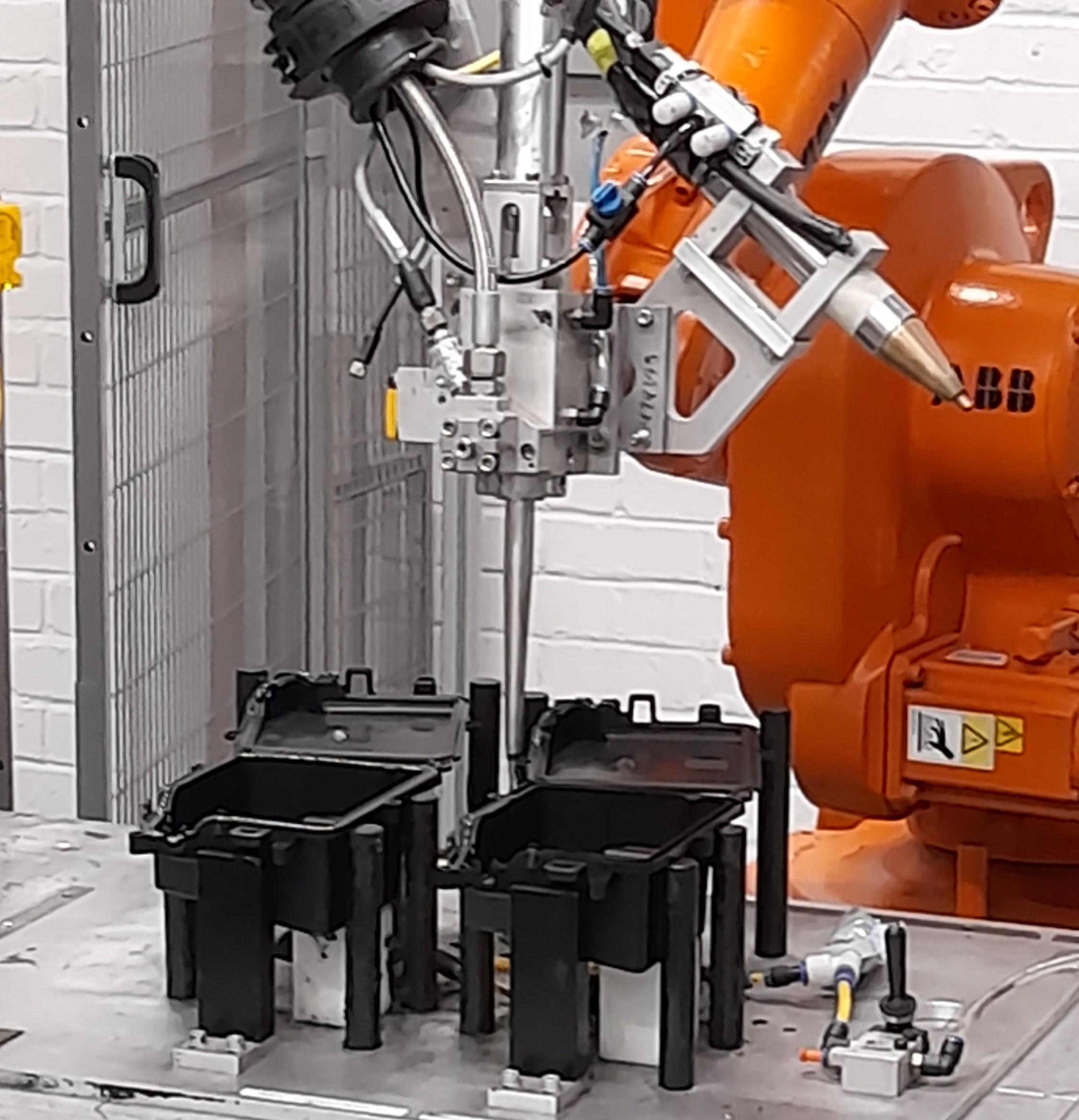
Many businesses ask, “Can an Old Robot System be Modernised?” when a dependable cell begins causing delays, becomes difficult to support or no longer meets production needs. In many cases, the answer is yes. A well-built robot arm can often remain productive for years if its controls, safety measures and tooling are brought up to an appropriate standard.
Modernisation is not simply a matter of fitting new parts. It is a planned review of the whole application: the robot, controller, electrical panels, safety circuit, grippers, sensors, guarding and software. This approach helps you decide whether an upgrade offers better value than a complete replacement.
Can an Old Robot System be Modernised? Start with an assessment
The first step is to establish what is still serviceable. An older robot may have sound mechanics but an obsolete controller, unreliable drives or unavailable spare parts. A site assessment can identify wear in axes and cabling, review cycle times, check repeatability and determine whether current tooling is limiting output.
It is equally useful to understand the production objective. You may need to run a new product size, reduce manual handling, improve traceability or increase throughput. Clear requirements prevent money being spent on a like-for-like repair that does not solve the underlying issue.
Can an Old Robot System be Modernised? Upgrade the controls and safety
A controller replacement can provide more reliable hardware, easier programming, modern communications and improved diagnostics. New PLC controls can connect the cell to production equipment, barcode systems or data collection software. Updated robot programming can also refine paths, reduce unnecessary motion and make changeovers simpler for authorised operators.
Safety must be reviewed alongside any change. The HSE explains the duties under the Provision and Use of Work Equipment Regulations 1998 (PUWER), including ensuring work equipment is suitable, maintained and used by properly trained people. A modified robot cell may need revised risk assessments, guarding, interlocks, emergency stops and safety validation before it returns to service.
Can an Old Robot System be Modernised? Retain what still adds value
Modernisation does not always mean replacing every component. A robust robot arm, base frame or conveyor may be retained while the controller, safety system and end-of-arm tooling are replaced. This can reduce downtime and avoid the cost of rebuilding a layout that already fits the available floor space.
Less obvious items deserve attention too. Obsolete fieldbus networks, poorly labelled cables, ageing pneumatic valves and undocumented software can make a cell costly to maintain. Creating current electrical drawings, backup copies of programs and a spare-parts plan makes future fault-finding far more straightforward.
Planning the upgrade with minimum disruption
Plan installation around your production schedule. Where possible, control panels and tooling can be built and tested away from the line, then fitted during a planned shutdown. Allow time for mechanical alignment, safety testing, operator training and proving the cell with real products rather than relying only on dry-cycle tests.
Consider future flexibility at the design stage. Additional I/O capacity, accessible cable routes and adaptable gripper interfaces can make later changes less expensive. If products vary frequently, a revised fixture or collaborative robot arrangement may provide a better long-term route than attempting to preserve every element of the original installation.
Frequently Asked Questions: Can an Old Robot System be Modernised?
Can an Old Robot System be Modernised? without replacing the robot arm?
Often, yes. If the arm is mechanically sound and suitable for the task, it may be retained while the controller, safety circuit, tooling and software are upgraded. An assessment will confirm whether parts availability and performance support this option.
How long does a robot upgrade take?
The timescale depends on the scope, condition of the existing cell and required testing. Early planning, off-site panel build and clear acceptance criteria can reduce the period during which production is affected.
Will an upgraded system need new safety documentation?
Yes, safety documentation should be reviewed after significant changes. This normally includes an updated risk assessment, operating information and records of testing for the revised safeguards and control functions.
If you are weighing up repair, retrofit or replacement, Premier Automation can assess your existing equipment and provide practical robot, control and safety upgrade services tailored to your production requirements.