How can Robot Systems help Manufacturing? A Practical Guide for Improving Production
How can Robot Systems help Manufacturing? For many businesses, the answer comes down to improving productivity, consistency, safety and long-term control over production costs. A well-designed robot system can take repetitive, heavy or high-precision tasks and perform them reliably, freeing skilled staff to focus on quality, supervision, problem-solving and higher-value work.
Robot systems are not a one-size-fits-all answer. The right solution depends on the product, process, available space, required output, safety requirements and expected payback. Premier Automation designs and builds new robot systems, integrates used robots and modifies existing automated systems to suit individual process requirements. This practical approach helps manufacturers invest in automation that fits the job, rather than forcing the job to fit the automation.
How can Robot Systems help Manufacturing? Improving speed and consistency
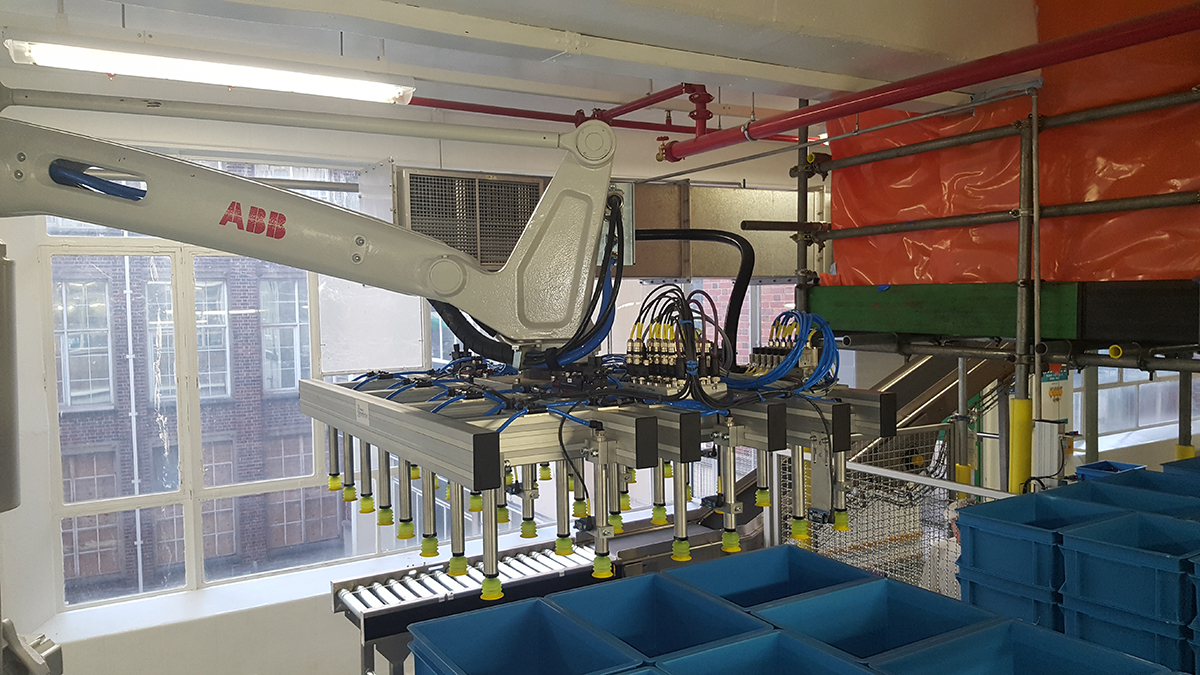
One of the clearest advantages of robot systems is their ability to repeat tasks accurately over long production runs. Whether the application involves machine tending, palletising, welding, gluing, gasket dispensing or handling components between processes, robots can help maintain consistent cycle times and reliable output.
For manufacturers dealing with rising demand, labour shortages or inconsistent manual processes, this can make a measurable difference. Robots can work continuously with minimal supervision, reduce variation between shifts and support lights-out operation where the process allows. In machine tending, for example, an automated loading cell can keep CNC machines, presses or moulding machines running for longer periods with fewer interruptions.
Reducing manual handling and workplace risk
Manufacturing environments often involve repetitive lifting, awkward movements, hot materials, sharp components, fumes or heavy products. Robot systems can take over tasks that present ergonomic or safety challenges for operators. This can help reduce fatigue, repetitive strain and accident risk while allowing staff to move into more skilled roles.
Any automation project still needs careful safety planning. Guarding, control systems, risk assessments, emergency stops and safe operating procedures all matter. The HSE guidance on work equipment and machinery is a useful reference point for manufacturers considering automation, as it explains key responsibilities around safe machinery use and maintenance.
Premier Automation designs control systems with safety and usability in mind, including schematics, panel layouts, cable schedules, safety reports and controls risk assessments. This helps ensure the robot system is not only productive, but also practical for day-to-day operation.
How can Robot Systems help Manufacturing? Making better use of existing equipment
Automation does not always mean buying a completely new system. Many manufacturers already have robots, conveyors, tooling or control systems that can be upgraded, relocated or re-engineered. An older robot cell may still have value if it can be modified to suit a new product, improve cycle time or restore lost performance.
Premier Automation can assess existing robot systems and advise whether modification, reprogramming, retooling or relocation is the best route. This is useful where production requirements have changed, a factory layout is being reorganised, or an existing robot needs to be reused in a new application.
Re-engineering can include new grippers, updated guarding, revised PLC programming, fresh robot paths, improved operator interfaces or integration with other machinery. For some businesses, this offers a cost-effective way to gain the benefits of automation without replacing everything.
Supporting quality, traceability and control
Robot systems can improve quality by reducing handling errors, improving repeatability and ensuring each part is processed in the same way. In applications such as gluing, gasket dispensing or welding, controlled motion and repeatable paths can help improve finish, accuracy and reliability.
Control systems also play a major role. A robot may perform the movement, but the wider cell needs reliable communication between sensors, conveyors, safety devices, PLCs, HMIs and any connected production systems. Premier Automation specialises in control systems for robots, special purpose machinery and process lines, helping customers create automation that is functional, reliable and easy to operate.
Offline programming and digital twin tools can also help manufacturers plan and optimise robot systems before installation. This can reduce downtime, test cell layouts, improve reach and cycle time, and allow changes to be made before production is disrupted.
How can Robot Systems help Manufacturing? Adding flexibility for changing products
Modern manufacturers often need to handle smaller batches, more product variations and faster changeovers. Robot systems can support this by using interchangeable tooling, vision systems, programmable paths and flexible layouts. Collaborative robots can also be useful for certain applications because they are compact, adaptable and suitable for working close to operators when correctly assessed and integrated.
For example, a cobot palletising cell may help a business automate repetitive stacking without requiring a large industrial robot cell. A machine loading system with vision can identify randomly placed parts. A robot system with quick-change grippers can support different product sizes or shapes with minimal downtime.
The British Automation & Robot Association provides useful industry insight into robotics and automation across UK manufacturing. For businesses considering investment, the key is to choose a solution that supports current production while leaving room for future changes.
Choosing the right robot integration partner
The success of a robot system depends heavily on the design, integration and support behind it. A robot on its own is only part of the solution. The full system may include tooling, guarding, conveyors, vision, PLC control, operator interfaces, safety systems, fabrication, installation, commissioning and training.
Based in Bedford, Premier Automation has experience integrating a wide range of robot models from leading manufacturers across diverse applications. The company works with customers to understand their process, technical needs and commercial payback criteria before recommending the most appropriate route.
This honest approach matters because automation is not suitable for every application. A good integrator should be able to explain what will work, what will not, what the likely benefits are, and how the investment can be justified.
Frequently Asked Questions
What types of manufacturing tasks can robot systems automate?
Robot systems can automate machine tending, palletising, welding, gluing, gasket dispensing, material handling, assembly support, inspection handling and other repetitive production tasks. The best application depends on product type, process flow and required output.
Can an existing robot system be upgraded?
Yes. Existing systems can often be re-engineered with new tooling, revised programming, updated controls, improved safety systems or layout changes. This can help improve cycle times, support new products or extend the useful life of the equipment.
Are robot systems only suitable for large manufacturers?
No. Smaller manufacturers can also benefit, especially where repetitive tasks, labour availability, quality control or manual handling are creating pressure. Compact robot and cobot systems can be designed around smaller production spaces and realistic payback goals.
How do I know whether automation is right for my process?
The best starting point is a detailed assessment of your production issue, including output targets, current bottlenecks, safety requirements, available space and budget. Premier Automation can review your requirements and provide practical guidance on whether a new, used, upgraded or relocated robot system is the right option.
How can Robot Systems help Manufacturing? With the right design and integration, they can reduce repetitive work, improve consistency, increase throughput and make production more resilient. For manufacturers planning a new automation project, upgrading an existing cell or relocating equipment, Premier Automation offers practical robot system design, integration, programming, control system and support services tailored to real production needs.