For businesses in London, Palletising Robots In London offer a practical route to faster, more consistent end-of-line handling. Rather than relying on repetitive manual lifting, a robot can stack bags, boxes, trays or wrapped products to an agreed pattern, ready for storage or dispatch. The right system helps protect staff, improve throughput and make better use of valuable warehouse space.
Benefits of Palletising Robots In London
Palletising is often a bottleneck because output can fluctuate across shifts, product formats and seasonal demand. A robot works to repeatable movements and can maintain stable stack patterns over long runs. This reduces the risk of poorly built pallets, damaged stock and delays at the loading bay. It can also free employees from physically demanding tasks so they can focus on quality checks, replenishment and exception handling.
Modern cells can be configured for a wide range of products. Vacuum, clamp and fork-style end effectors can handle different surfaces and weights, while a pallet dispenser, conveyor and stretch-wrap interface can create a more complete end-of-line process. For sites with limited floor area, careful layout design is essential to retain safe pedestrian access and a workable route for forklifts.
Choosing Palletising Robots In London for Your Products
A successful project starts with the product, not the robot. Consider case dimensions, weights, surface finish, required pallet pattern, line speed and how frequently formats change. Products that are unstable, dusty, open-topped or wrapped in film may need a particular gripping approach. It is also useful to identify how pallets arrive and leave the cell, including whether operators, pallet trucks or automated guided vehicles will be involved.
Ask for a solution that can accommodate realistic production conditions rather than only the ideal cycle. This includes occasional damaged cartons, mixed batches, pallet changes and upstream pauses. A well-designed control system should communicate clearly with existing conveyors and equipment, stop safely when required, and give operators straightforward messages about the cause of a fault and the next action.
Safe Cell Design for Palletising Robots In London
Safety should be designed into the whole cell, including loading, clearing jams, maintenance and pallet collection. Guarding, interlocked access doors, light curtains and safety-rated controls may all form part of the solution, depending on the risk assessment. The HSE guidance on work equipment and machinery safety highlights the duties under the Provision and Use of Work Equipment Regulations 1998 (PUWER), including ensuring equipment is suitable, maintained and used by properly trained people.
A less obvious consideration is access for fault recovery. If an operator needs to enter the guarded area to remove a misplaced case, the system needs a safe, documented method for doing so. Clear operating procedures, isolation points and training should be established before handover. Good design makes normal work efficient without making unusual situations difficult or unsafe.
Planning Installation and Integration
Before selecting equipment, measure the available footprint and map material flow around the proposed cell. Include space for pallets, product accumulation, maintenance access and any guarding. Electrical supply, compressed air, network connections and floor condition can all affect the installation plan. Early surveys also help reveal whether existing equipment needs modification to achieve reliable transfers into and out of the robotic area.
Integration is particularly valuable where a line already has checkweighers, labellers, barcode scanning or warehouse management systems. The palletising controls can use product data to select patterns and record production information, helping teams trace issues and reduce manual setting changes. Factory acceptance testing before delivery gives customers an opportunity to review sequences, safety functions and operating screens in a controlled setting.
Frequently Asked Questions
What types of products can a palletising robot handle?
Robots can palletise many packaged goods, including cartons, sacks, tubs, trays and shrink-wrapped packs. Suitability depends on product weight, stability, surface and required cycle time, so testing the proposed gripper is worthwhile.
Will a robot fit into a small warehouse?
It can, provided the layout is planned carefully. Compact robot cells can be designed around available space, but safe access, guarding and pallet movement still need to be accommodated from the outset.
Can one system handle more than one pallet pattern?
Yes. Appropriate programming and tooling can allow operators to select approved product formats and stacking patterns. The extent of flexibility should be agreed during the design stage.
Support for Palletising Robots In London
Automation should remain useful long after commissioning. Selecting an experienced partner means you can plan for operator training, preventative maintenance, spare parts, programme changes and future line upgrades. This is particularly helpful for growing businesses that expect new product formats or higher volumes over time.
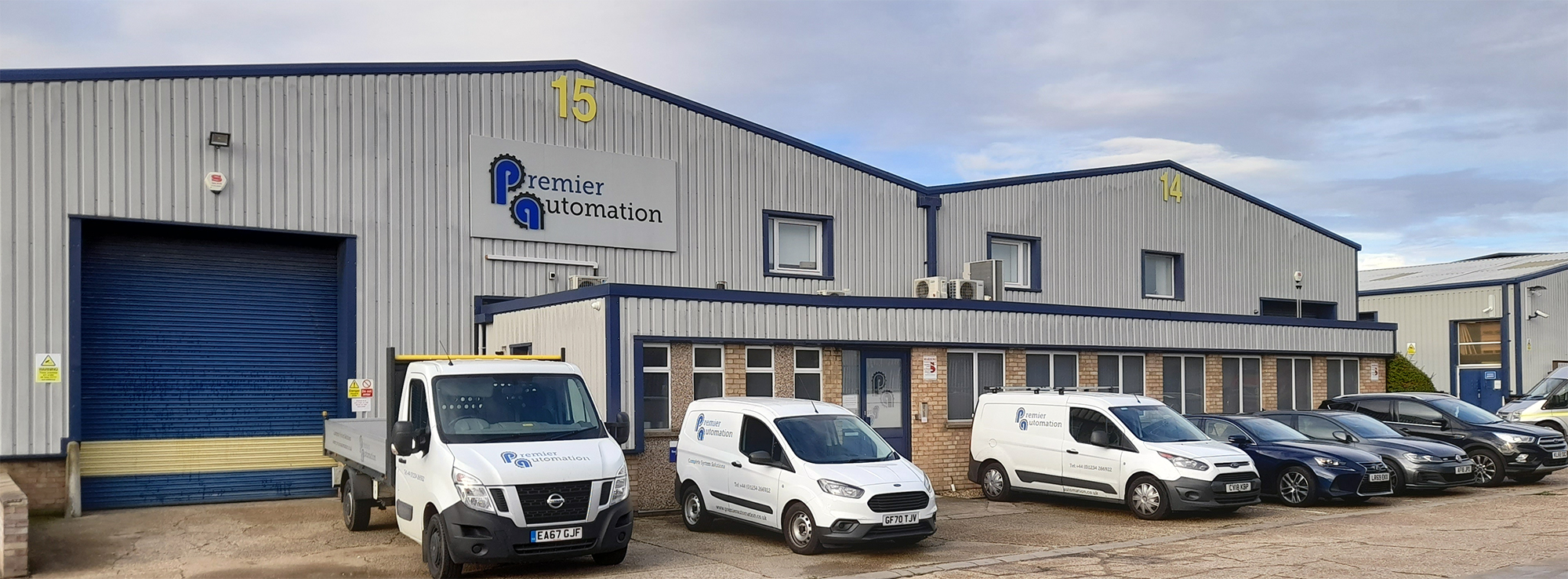
Premier Automation can design, build, install and commission robot-based palletising systems, alongside controls integration and ongoing support. If you are assessing Palletising Robots In London, speak with Premier Automation about a solution shaped around your products, premises and production goals.