Robot Cell Design In The UK for Smarter, Safer Manufacturing
Manufacturers looking to improve output, reduce manual handling and build more consistent production lines are increasingly turning to Robot Cell Design In The UK as a practical route to better performance. Whether the goal is machine tending, palletising, welding, gluing or a more flexible handling process, the right cell design helps businesses achieve reliable automation that matches real production needs. Premier Automation works with customers to design, build, upgrade and integrate robot systems that are shaped around individual processes, commercial goals and expected payback.
For many businesses, automation is not about replacing everything at once. It is about solving a specific production issue in a way that makes technical and financial sense. That could mean creating a brand-new robot cell, improving an older installation, reusing an existing robot in a different application or relocating equipment to another factory. A well-designed robotic cell should support efficiency, safety and repeatability while still being straightforward to operate and maintain.
Why More Manufacturers Are Investing in Automation
Pressure on manufacturers continues to come from several directions. Customers expect consistent quality, production teams need to control costs, and factories are always looking for ways to reduce downtime and improve throughput. A properly designed robot cell can help with all of these points.
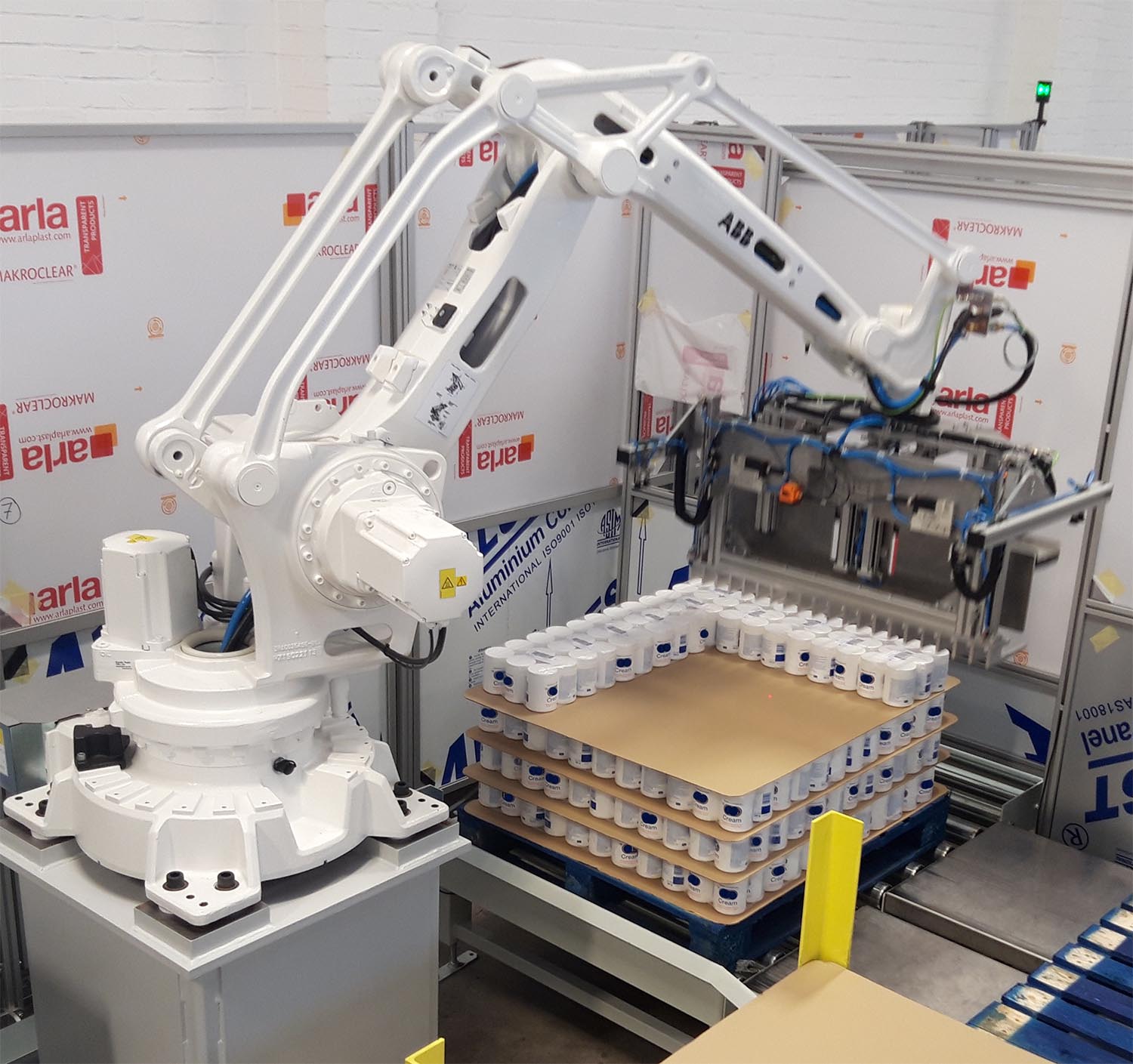
Robots are especially useful for repetitive or demanding tasks where consistency matters. Loading machine tools, palletising products, applying adhesives and carrying out welding operations are all areas where automation can add value. In the right environment, robotic systems can also support longer unattended running, helping businesses make better use of equipment and labour.
Premier Automation has built its reputation on delivering cost-effective systems that fit both the process and the budget. Founded in 2000 and operating from Bedford, the company designs and builds automation systems for a wide range of industrial applications, while also offering re-engineering, programming, control system design and after-sales support.
What Good Robot Cell Design In The UK Looks Like
Successful automation starts long before equipment is installed on site. Robot Cell Design In The UK should begin with a clear understanding of the task, the cycle time target, the available floor space, operator interaction, product variation and long-term maintenance requirements. A system that looks impressive on paper but fails to suit the production environment will not deliver the result the customer needs.
This is why design matters so much. The best robotic cells combine the robot itself with the right tooling, guarding, controls, interfaces and programming. In many cases, a PLC manages peripheral equipment while the robot handles the motion-based task. Good design also accounts for operator access, fault recovery, product changeovers and future adaptation.
Premier Automation supports this process with detailed engineering, including schematics, panel layouts, parts lists, cable schedules, EN13849 safety reports and controls risk assessments. The result is a system that is not only functional, but also easier to commission, use and support over time.
Applications Can Be Tailored to the Process
No two production environments are exactly the same, which is why a flexible engineering approach matters. Some manufacturers need a simple palletising cell to move cartons accurately and consistently. Others may need a more advanced machine tending cell with conveyors, vision systems, fixtured trays or even AMR integration for material flow across a larger site.
Welding remains one of the most familiar industrial robot applications, but there is growing demand for machine tending, gluing, gasket dispensing and collaborative robot solutions. Cobots can be particularly useful where ease of programming, compact layouts and close human interaction are priorities. For smaller batches or higher-mix production, they can offer a practical route into automation without the scale of a traditional fully guarded cell.
Used correctly, offline programming and digital twin tools can also reduce disruption during development. Programmes can be created or refined away from the live production line, helping businesses minimise downtime and improve return on investment before installation begins.
Why Robot Cell Design In The UK Supports Safer Production
Automation should improve safety as well as productivity. That means every robotic installation must be assessed properly and designed around the real risks of the application. Depending on the task, this may include fixed guarding, interlocks, light curtains, safe control architecture and clearly defined operator procedures.
Anyone investing in automation should understand the importance of compliance and risk reduction. Guidance from the HSE on machinery and work equipment safety provides a useful starting point, particularly for businesses planning new installations or modifications to existing equipment. Industry bodies such as BARA also help highlight standards, good practice and wider developments in robotics and automation.
At project level, safe design is not something to add at the end. It needs to be built into the cell from the beginning. This includes how the system is accessed, how faults are reset, how maintenance is carried out and how operators interact with the equipment throughout a shift.
Choosing a Partner for Robot Cell Design In The UK
Technical capability matters, but so does experience in understanding customer requirements. A strong automation partner should be honest about where robotics will help and where another approach may be better. They should also be able to support the full project, from site survey and concept development through to build, installation, commissioning and training.
Premier Automation combines mechanical, electrical and software expertise to deliver complete robotic and control system solutions. The business also offers system upgrades, relocations, in-house fabrication, tooling manufacture, PLC and robot programming, and support for systems originally integrated by other suppliers. That can be especially valuable for manufacturers who want to improve an existing installation rather than begin again.
If your production line could benefit from improved cycle times, safer handling, better repeatability or a more efficient layout, Premier Automation can help you assess the options and develop an automation solution that fits your process and your commercial goals.