When should you upgrade an Automated System? The right point is rarely marked by a single breakdown. More often, a system that once supported reliable output begins to create small but costly pressures: slower cycles, frequent resets, difficult changeovers or a growing dependence on one person who understands its controls. Reviewing those signs early lets you protect production, improve safety and plan investment around your business rather than reacting to a stoppage.
When should you upgrade an Automated System? Start with performance
Look at the evidence from normal operation over several months. Falling throughput, rising reject rates, unplanned downtime and increasing maintenance call-outs are practical indicators that the existing equipment may no longer be delivering value. A line can still be running while quietly consuming more labour, energy and spare parts than it should.
Compare actual output with the requirement you have now, not the requirement that existed when the cell was installed. New product sizes, higher order volumes and tighter customer lead times can expose limitations in robot reach, gripper design, guarding, sensors or conveyor control. If operators regularly work around a machine to keep orders moving, that is a useful signal to investigate.
Record the issues that interrupt production, including their cause, duration and frequency. Useful measures include:
- average cycle time and the gap between planned and achieved output;
- unplanned stops, nuisance faults and recovery time after a stop;
- scrap, rework and quality checks linked to handling or positioning;
- availability of spare parts, drives, sensors and compatible software; and
- the number of manual tasks added to compensate for the automated process.
This information turns a general concern into a business case. It can also show that a targeted retrofit, such as a new controller, vision system or end-of-arm tooling, will address the constraint without replacing an otherwise sound mechanical installation.
Safety and supportability are decisive upgrade triggers
Safety should not wait until equipment fails. HSE guidance on the Provision and Use of Work Equipment Regulations 1998 (PUWER) explains that work equipment must be suitable, maintained and inspected where deterioration could create danger. Older guarding, safety circuits and control arrangements deserve a formal review whenever a process, product or operating method changes.
When should you upgrade an Automated System? Act promptly if risk assessments identify weak safeguarding, poorly documented modifications, unreliable emergency stops or a lack of safe access for cleaning and maintenance. Modern safety controls can provide clearer diagnostics and better integration with interlocks, light curtains and safety-rated devices, but the solution must be designed for the whole cell rather than added in isolation.
Supportability matters just as much. Obsolete PLCs, robot controllers and drives can make faults harder to resolve and may leave you dependent on surplus parts. A planned migration gives time to preserve programmes, test interfaces and train users. It is generally less disruptive than waiting until a discontinued component prevents the line from restarting.
When should you upgrade an Automated System? Consider change and growth
An automation project should support where your operation is heading. If you are introducing new packaging, more product variants, heavier loads or additional shifts, assess whether the present system has sufficient payload, speed, accuracy and flexibility. A robot cell designed for one repetitive task may need new tooling, a revised layout or updated programming to accommodate a broader product range.
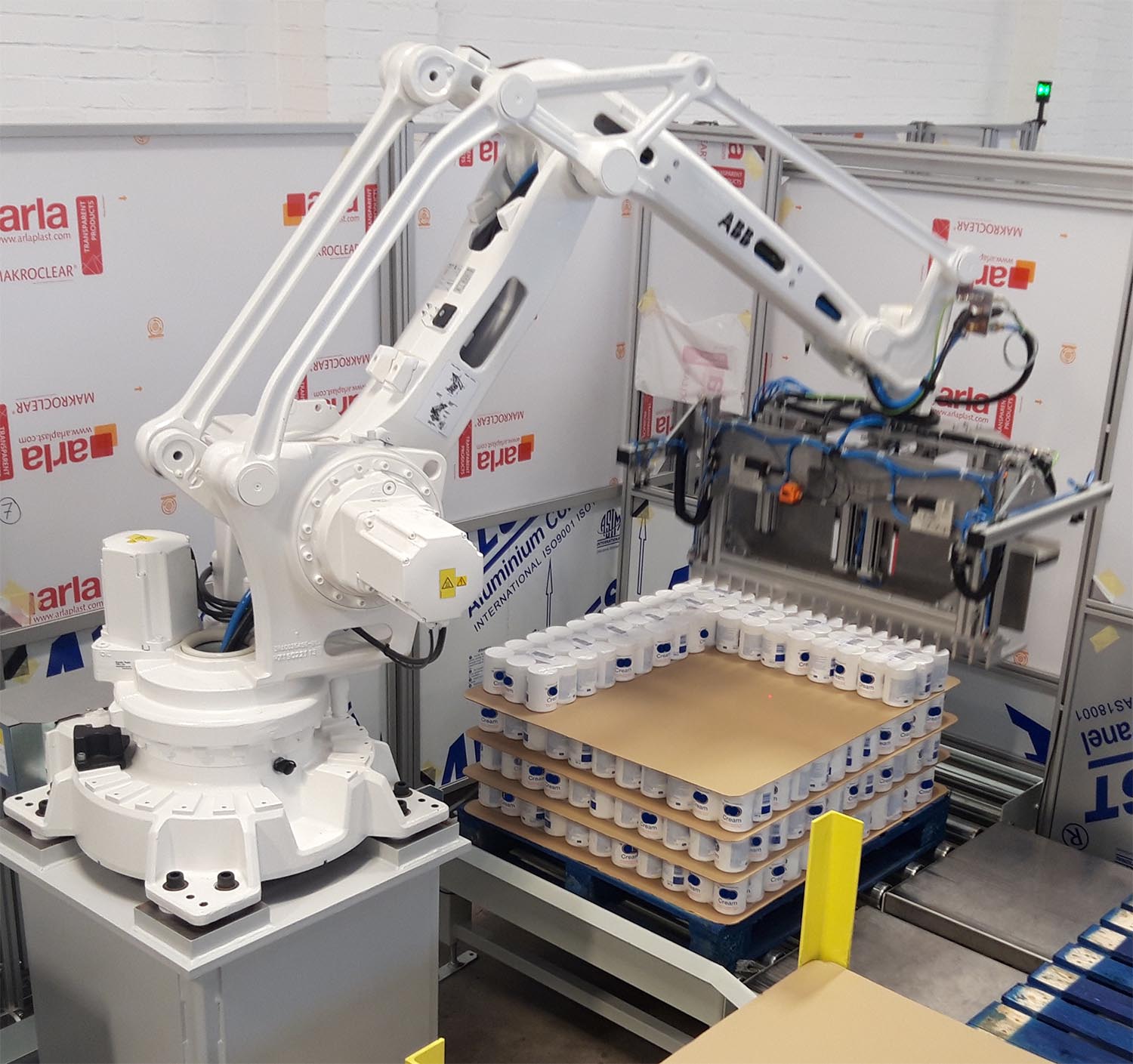
For example, a palletising system may have capacity but be constrained by manual pallet presentation or inconsistent case orientation. Improving infeed control, adding sensors or integrating a different gripper can remove the real bottleneck. Likewise, collaborative robot applications need a reassessment if the tool, speed, workspace or human interaction changes; a cobot is not automatically safe in every arrangement.
When should you upgrade an Automated System? It is worth commissioning a review before relocating equipment, expanding a line or signing a major customer contract. Early engineering input can establish whether re-engineering used robots, upgrading controls or installing a new cell offers the most sensible route, with realistic allowances for installation, commissioning and acceptance testing.
Choose the scope that fits the problem
Not every ageing system needs a complete replacement. Mechanical structures in good condition may be retained while controls, sensors, electrical panels and software are modernised. Conversely, repeated mechanical wear, poor access or a layout that prevents safe operation may make a new system more economical over its working life. The decision should consider downtime, future maintainability, training and the availability of technical support, not just purchase price.
A clear specification is essential. Define the products, cycle rate, quality criteria, operator tasks, available floor space and interfaces with upstream and downstream equipment. Ask for a phased plan where continuity is critical: equipment can often be built and tested off-line before a scheduled installation window. This reduces uncertainty and gives your team a clear route from assessment to handover.
Frequently Asked Questions
How long should an automated system last?
There is no fixed lifespan. Well-maintained mechanics may serve for many years, while controls can become obsolete sooner. Upgrade decisions should be based on performance, safety, parts availability and suitability for your current products rather than age alone.
Can an older robot be upgraded instead of replaced?
Often, yes. Controllers, cabling, tooling, guarding and software may be updated, provided the robot’s condition and capability remain appropriate. A site assessment will identify what can be retained safely and what should be replaced.
Will an upgrade stop production for a long time?
It depends on the scope, but careful planning can reduce disruption. Off-line design, panel build, programming and testing allow more work to be completed before the changeover, leaving a shorter on-site installation and commissioning period.
How do I know whether a retrofit has a good return?
The answer to When should you upgrade an Automated System? often lies in the combined cost of downtime, labour, rejects, maintenance and lost capacity. Compare those costs with the expected gains and include the value of improved safety and reliable support.
For a practical assessment of an existing robot cell, control system or process line, Premier Automation can help with system reviews, re-engineering, control upgrades, installation and commissioning. From its facility in Bedford, Premier Automation supports tailored automation improvements that fit your production priorities.